

In a world where convenience reigns supreme, the way packages arrive at your doorstep can make or break your day. Whether it’s that much-anticipated gadget or a surprise gift for a loved one, the delivery method can add an extra layer of excitement—or frustration. From the classic postal service to trendy drone deliveries, the options are as varied as the contents inside those boxes.
Ever wondered if you’re more of a “knock and run” type or a “leave it at the door” aficionado? Knowing the different types of deliveries can help you choose the best option for your needs. So buckle up and get ready to explore the wild and wonderful world of deliveries, where each method has its own quirks and benefits. Who knew getting your hands on a pizza could be as thrilling as a treasure hunt?
Types Of Deliveries
Various delivery methods enhance the experience of package receipt. Each type offers unique characteristics and advantages tailored to different needs.
Standard Delivery
Standard delivery remains the most common option for receiving packages. This method typically takes 3 to 7 business days for items to arrive. Cost-effective rates and straightforward processes appeal to many consumers. Businesses often choose standard delivery for non-urgent shipments, maximizing efficiency in logistics.
Expedited Delivery
Expedited delivery speeds up the shipping process significantly. Packages generally arrive within 1 to 3 business days. Faster processing makes this option ideal for those requiring quicker access to items. While it costs more than standard delivery, the time savings attract customers needing urgent deliveries.
Same-Day Delivery
Same-day delivery provides immediate gratification for last-minute needs. Orders placed before a specific cut-off time ensure delivery on the same day, often within hours. This service is popular among urban consumers and businesses requiring quick access to products. Local retailers and logistics companies often implement this service for added convenience.
Next-Day Delivery
Next-day delivery guarantees package arrival by the following day after the order placement. This method benefits individuals who want urgency without real-time waiting. Many e-commerce platforms offer this option, catering to a growing demand for swift service. Customers appreciate the balance between speed and affordability that next-day delivery offers.
Specialty Deliveries
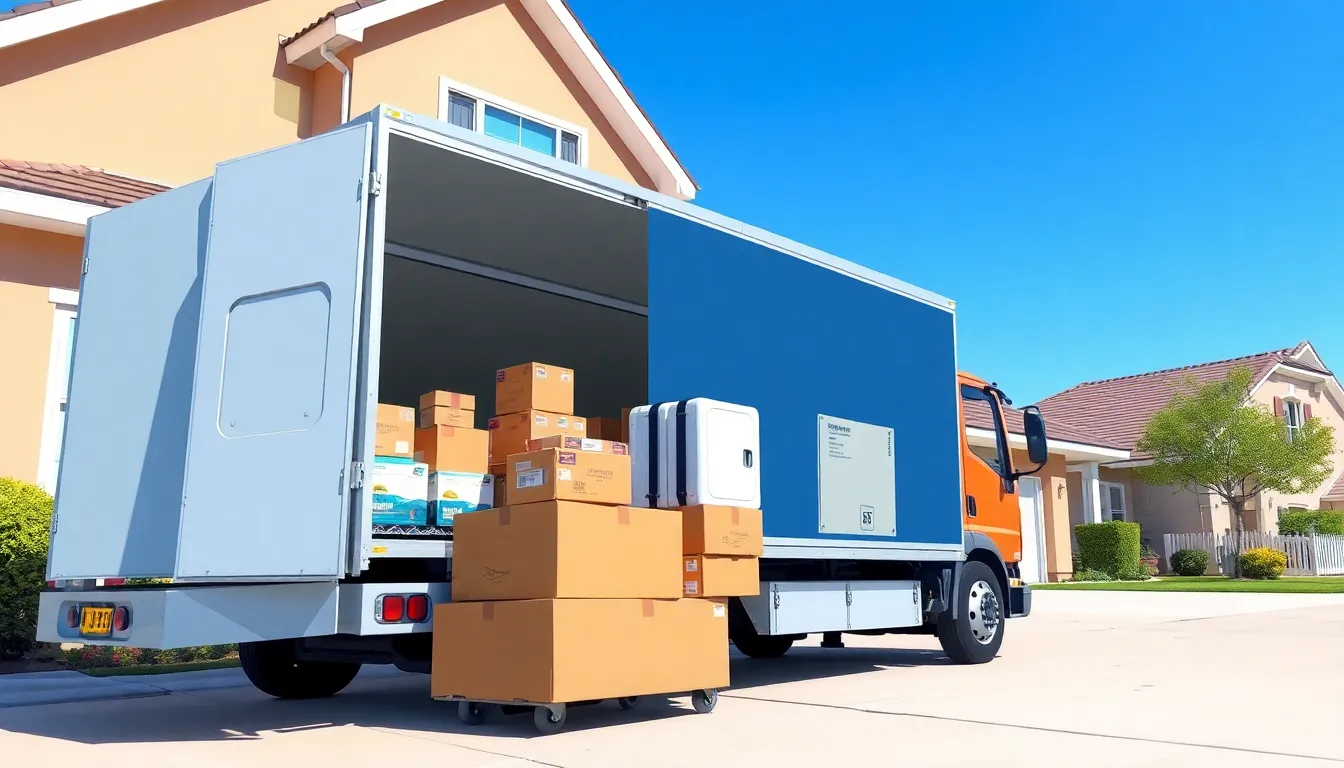
Specialty deliveries address unique shipment needs, ensuring items arrive in optimal condition.
Perishable Goods Delivery
Perishable goods delivery focuses on maintaining freshness during transport. This category often includes food products like fruits, vegetables, dairy, and flowers. Refrigerated trucks or temperature-controlled containers are essential for these deliveries. Companies often use express shipping to minimize transit time, ensuring items reach stores or consumers quickly. The key to success lies in reliable logistics and careful handling.
Fragile Items Delivery
Fragile items delivery is critical for ensuring safe transport of delicate products. This category encompasses glass items, electronics, and fine art. Specialized packaging is vital, employing bubble wrap, foam inserts, and sturdy boxes. Shipping providers typically offer extra insurance options for high-value items. Careful handling and precise tracking are necessary, providing peace of mind throughout the delivery process.
Large or Bulky Items Delivery
Large or bulky items delivery involves transporting oversized goods, such as furniture or appliances. This type of delivery often requires flatbed trucks or lift-gate services. Scheduling and coordination become crucial, as deliveries may need specialized equipment or additional personnel. Clear communication with consumers ensures they’re prepared for the delivery timeframe and can assist as needed. Handling these deliveries efficiently enhances customer satisfaction.
International Deliveries
International deliveries play a crucial role in global commerce, connecting consumers with products from around the world. Understanding the nuances of customs and regulations is essential for smooth transactions.
Customs and Regulations
Customs regulations govern the movement of goods across borders. Each country imposes specific rules regarding import duties and taxes, requiring accurate declarations of item values. Import restrictions vary, so knowing the limitations on specific products ensures compliance. Documentation, such as invoices and packing lists, often needs to be readily available for customs clearance. Failing to adhere to regulations can result in delays or additional fees. Additionally, countries may impose quarantine regulations on certain items, which complicates the shipping process further.
Shipping Options
A variety of shipping options are available for international deliveries. Air freight remains the fastest method, ideal for urgent shipments with transit times of one to five days. Ocean freight offers a slower but cost-effective alternative, suitable for large quantities of goods; shipping times typically range from ten days to several weeks. Courier services provide door-to-door convenience, managing customs clearance on behalf of the sender. Many carriers also offer tracking capabilities, providing peace of mind with real-time updates. Selecting the right option depends on factors such as budget, urgency, and destination specifics.
The landscape of delivery methods continues to evolve with advancements in technology and changing consumer preferences. Each delivery type offers distinct advantages tailored to different needs and situations. Whether it’s the reliability of standard delivery or the immediacy of same-day options, consumers can choose what best suits their lifestyle.
Specialty deliveries ensure that even the most delicate or urgent items arrive in perfect condition. Understanding international shipping nuances further broadens choices for consumers seeking global access. By exploring these various delivery options, individuals can enhance their experience and enjoy the thrill of receiving packages, no matter the method chosen.