
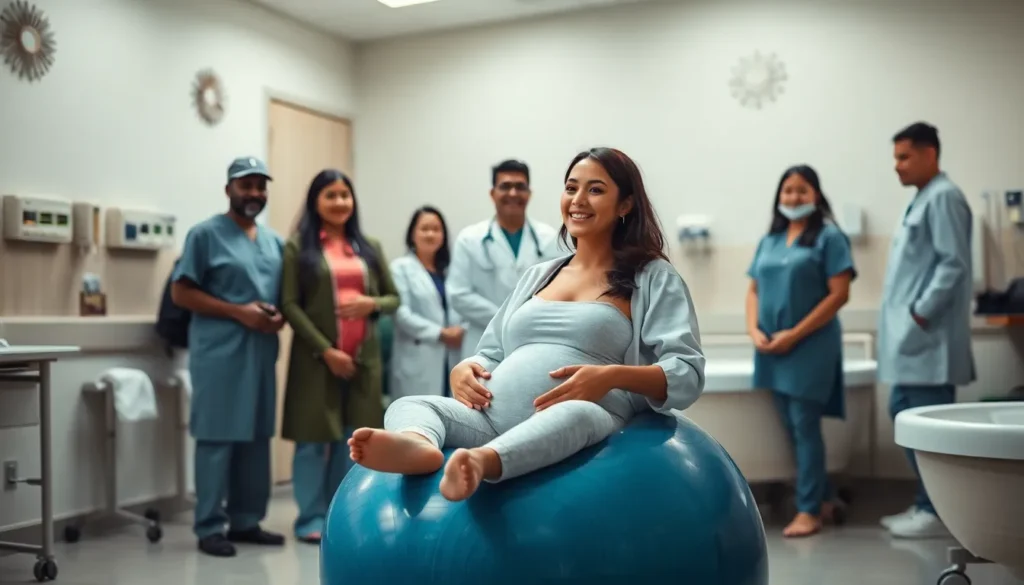
Childbirth is often viewed with a mix of excitement and apprehension. The anticipation of welcoming a new life can be overshadowed by fears of pain and discomfort. However, advancements in medical techniques and holistic approaches are changing the narrative. Pain-free childbirth is becoming a reality for many expectant mothers, offering them a more serene and empowering experience.
From epidurals to alternative therapies like hypnobirthing, various options exist to help manage pain during labor. These methods not only focus on physical comfort but also promote emotional well-being, allowing mothers to engage fully in the birthing process. Understanding the available choices can empower parents-to-be to make informed decisions that align with their values and expectations.
Understanding Pain-Free Childbirth
Pain-free childbirth refers to the process of delivering a baby with minimal to no discomfort, utilizing various medical and holistic techniques. This approach offers expectant mothers an opportunity for a more positive birthing experience.
Definition and Concept
Pain-free childbirth encompasses methods that reduce or eliminate pain during labor and delivery. Techniques include pharmacological options, such as epidurals and nitrous oxide, as well as non-pharmacological approaches, like relaxation techniques and water labor. The goal is to enhance physical comfort while also addressing emotional well-being, allowing mothers to focus on the birth experience rather than pain management.
Historical Context
Historically, childbirth has involved pain and discomfort due to limited medical intervention. In the early 20th century, advances in anesthesia marked a significant shift, offering women relief during labor. The introduction of epidurals in the 1960s revolutionized pain management for childbirth, providing a more effective option for many. Over the years, awareness of alternative therapies—such as hypnobirthing and mindfulness—has grown, further enhancing the concept of pain-free childbirth by integrating both medical and holistic approaches.
Techniques for Achieving Pain-Free Childbirth
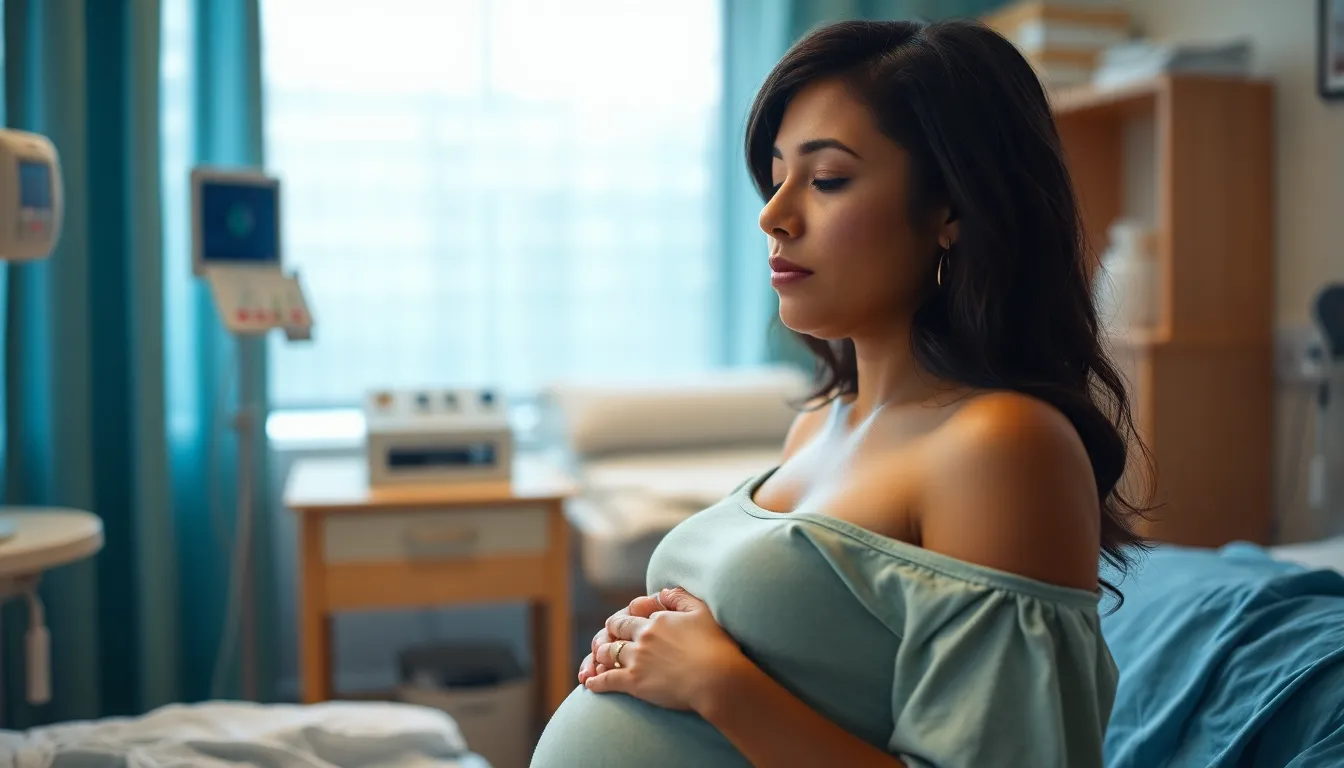
Pain-free childbirth techniques offer expectant mothers various options to enhance comfort during labor. Two primary methods include epidural anesthesia and natural pain management strategies.
Epidural Anesthesia
Epidural anesthesia provides significant pain relief during labor. This technique involves injecting a local anesthetic into the epidural space surrounding the spinal cord. It allows mothers to remain awake and participate in the birthing process while significantly reducing pain. Studies indicate that approximately 60-80% of women choose epidurals for pain management due to their effectiveness (American College of Obstetricians and Gynecologists). Epidurals can lead to temporary side effects, such as low blood pressure, but they generally provide a safe and reliable option for pain control.
Natural Pain Management Strategies
Natural pain management strategies encompass various techniques such as relaxation methods, breathing exercises, and water labor.
- Relaxation Techniques: Techniques like guided imagery and progressive muscle relaxation help mothers cope with contractions by promoting calmness.
- Breathing Exercises: Deep and rhythmic breathing can reduce stress and enhance focus during labor.
- Water Labor: Immersion in warm water during labor soothes muscles, alleviating pain and promoting comfort.
Research suggests that these non-pharmacological methods effectively enhance emotional well-being and may reduce the need for medical interventions. By incorporating these strategies, many mothers experience a more empowering childbirth experience.
Benefits of Pain-Free Childbirth
Pain-free childbirth offers numerous advantages that enhance the overall birthing experience for mothers and their babies. Alongside physical benefits, it fosters emotional and psychological well-being.
Physical Benefits
- Reduced Discomfort: Pain-free techniques, like epidurals, significantly diminish pain levels during labor. Various studies indicate that 60-80% of women experience substantial relief from discomfort.
- Improved Mobility: Certain methods, such as water labor, allow mothers to maintain movement during contractions, which can lead to a more comfortable and natural experience.
- Shorter Labor Duration: Effective pain management can lead to a decrease in labor time, as relaxed muscles can contribute to more efficient contractions.
- Enhanced Recovery: Mothers who experience less pain during childbirth often report quicker recovery times, facilitating an easier transition into postpartum life.
Emotional and Psychological Benefits
- Increased Confidence: Pain management options promote a sense of control, resulting in higher confidence levels throughout the birthing process.
- Lowered Anxiety Levels: Techniques such as hypnobirthing and relaxation strategies reduce anxiety, helping mothers to focus on the joy of childbirth instead of fear.
- Stronger Bonding Experience: Pain-free childbirth allows parents to engage actively and joyfully with their newborn during and immediately after delivery, fostering early bonding.
- Positive Birth Experience: Mothers often reflect on pain-free childbirth as a more empowering and satisfying experience, contributing to an overall positive perception of childbirth.
These benefits combine to create a comprehensive framework that enhances the well-being of both mothers and their newborns during childbirth.
Potential Risks and Considerations
Consideration of risks is essential when exploring pain-free childbirth methods. Various factors, including medical risks and personal preferences, play significant roles in an expectant mother’s experience.
Medical Risks
Medical risks associated with pain-free childbirth can vary. Epidural anesthesia, while effective, poses potential complications such as low blood pressure, increased labor duration, and headaches. Studies indicate that up to 10% of women may experience these side effects. Other interventions, such as nitrous oxide use, may lead to nausea or dizziness. Though rare, serious complications like infection or nerve damage can occur with epidurals. It’s crucial for expectant mothers to consult healthcare providers to weigh these risks against the potential benefits of pain relief.
Personal Preferences
Personal preferences significantly influence childbirth experiences. Some women prefer holistic approaches, such as hypnobirthing or water labor, due to their minimal medical intervention. Others may prioritize the immediate pain relief provided by epidurals. Cultural background and previous childbirth experiences also shape these preferences. Mothers should communicate with their healthcare teams to define pain management plans that align with their values and desires. By understanding their options, women achieve a more tailored approach to pain-free childbirth.
Pain-free childbirth is no longer just a dream for many expectant mothers. With advancements in medical techniques and a growing understanding of holistic approaches, women now have a variety of options to minimize discomfort during labor. These methods not only enhance physical comfort but also contribute to emotional well-being, allowing mothers to focus on the joy of bringing new life into the world.
Personal preferences and informed decision-making play crucial roles in shaping each woman’s childbirth experience. By exploring both pharmacological and non-pharmacological methods, mothers can create tailored pain management plans that align with their values. As awareness continues to grow, the journey of childbirth can become a more empowering and positive experience for mothers and their babies alike.