

Natural childbirth often gets painted as the ultimate badge of honor in the parenting world. It’s like the organic kale of birthing methods—everyone raves about it, but what they don’t tell you are the hidden downsides. While the allure of a drug-free delivery sounds appealing, it’s not all sunshine and rainbows.
Understanding Natural Childbirth
Natural childbirth attracts many due to its association with a more holistic approach to labor. Some individuals praise the empowerment it brings during the birthing process. This technique, however, can pose challenges that are often glossed over in popular discussions.
Pain management typically proves to be a significant concern. Contractions can result in intense discomfort, and without pain relief options like epidurals, some mothers may feel overwhelmed. Emotional stress can arise from the pressure to adhere to the natural method, leading to anxiety during delivery.
Support during childbirth may not always meet expectations. Fathers, partners, or doula assistance might not suffice if complications occur. Should emergencies arise, the need for interventions like cesarean sections or forceps increases, complicating the experience for the mother and child.
Time during the labor process can also extend unpredictably. Some women face prolonged labor, which exacerbates fatigue. While many wish for a swift delivery, the reality often presents ups and downs, extending the timeline of childbirth significantly.
Medical supervision varies across settings. Home births, while appealing to some, often come without immediate access to medical interventions. Such limitations heighten risks, especially in cases of unforeseen complications.
Cultural and societal pressures surround the choice of natural childbirth. Many expectant mothers feel judged for not choosing this method or fear not experiencing “the true essence of birth.” Such societal expectations can add stress during an already challenging time.
Understanding these disadvantages remains crucial for expectant mothers considering natural childbirth. Awareness of the potential hurdles allows for informed decision-making regarding labor and delivery options.
Common Disadvantages of Natural Childbirth
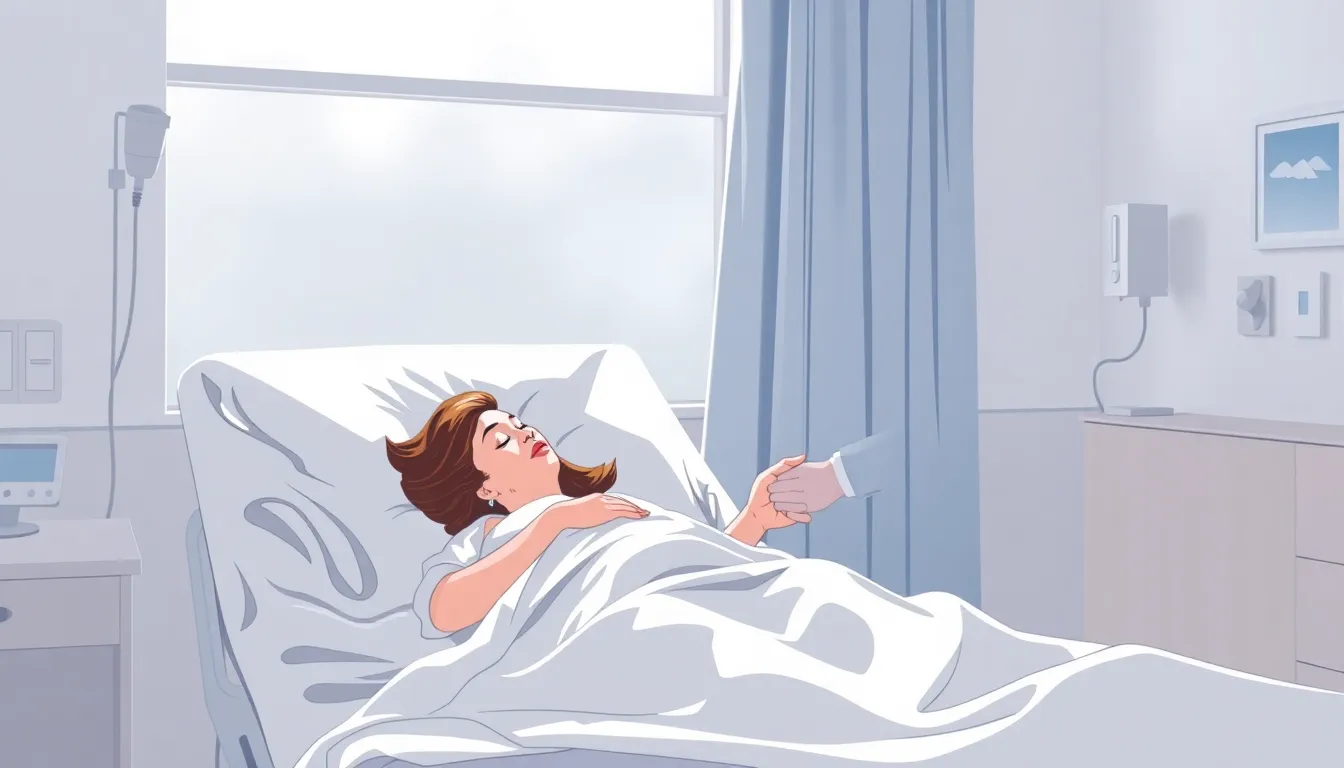
Natural childbirth carries several disadvantages that expectant mothers should consider. These drawbacks can range from physical discomfort to potential risks during delivery.
Pain Management Issues
Pain management presents a significant challenge during natural childbirth. Many women experience intense contractions without the option of pain relief medications. Support systems such as breathing techniques and labor positions may not alleviate discomfort adequately. Moreover, some women may encounter unexpectedly severe pain, making labor more daunting. Managing pain effectively can be difficult, especially in an unmedicated environment.
Prolonged Labor
Prolonged labor can complicate the natural childbirth experience. This situation occurs when contractions persist for an extended period without significant cervical dilation. The physical and emotional strain can intensify, leading to exhaustion and frustration. Additionally, prolonged labor can result in increased risks for both mother and baby. Time spent in labor may necessitate medical interventions that some women aimed to avoid.
Potential for Birth Injuries
Natural childbirth carries an inherent risk of birth injuries. Although rare, complications such as shoulder dystocia and excessive tearing may arise. These injuries can affect both the infant and mother’s well-being. Infants may suffer from nerve injuries or fractures during delivery. Mothers may face long-term recovery challenges from severe tears. Awareness of these potential injuries is crucial for making informed birthing decisions.
Comparing Natural Childbirth to Other Methods
Natural childbirth presents distinct challenges compared to alternative birthing methods. Understanding these differences helps expectant parents make informed choices.
Medical Interventions
Medical interventions play a critical role in many childbirth experiences. Obstetricians often recommend medications and procedures to manage complications. Cesarean sections, for example, provide a safe alternative for those facing severe labor difficulties or fetal distress. Some interventions, such as induction and assisted delivery, enhance birthing outcomes in specific situations. In contrast, natural childbirth minimizes these interventions, which can limit immediate medical support. The absence of interventions may also leave mothers vulnerable during unexpected complications, emphasizing the need for a carefully considered birth plan.
Epidurals and Pain Relief Options
Epidurals offer effective pain relief for women in labor. This form of analgesia significantly reduces discomfort during contractions, making the experience more manageable. Many women find epidurals allow them to focus on labor without the overwhelming pain associated with natural childbirth. Other options include nitrous oxide and IV medications, which provide varying degrees of relief. Natural childbirth typically excludes these pain relief methods, contributing to heightened discomfort and stress. Weighing the advantages and disadvantages of pain relief options remains essential for any birthing plan, ensuring that mothers feel prepared and supported during their labor.
Emotional and Psychological Considerations
Natural childbirth often brings intense emotional and psychological factors. These aspects can influence the birthing experience significantly.
Expectations vs. Reality
Expectations surrounding natural childbirth frequently clash with reality. Many women prepare for a serene and empowering experience, only to face overwhelming pain and anxiety during labor. Feelings of disappointment may arise when reality doesn’t align with these expectations. Anxiety often intensifies due to societal pressures, resulting in feelings of inadequacy. These emotional highs and lows can impact mothers’ overall well-being and their relationship with the newborn.
Postpartum Recovery Challenges
Recovery after natural childbirth can prove more difficult than anticipated. Physical discomfort, such as soreness and fatigue, may be more pronounced due to the absence of pain relief options during labor. Emotional struggles can accompany the physical recovery. Mothers may experience feelings of sadness or anxiety, often exacerbated by sleep deprivation and the demands of a newborn. Support systems can help but may not always be readily available, adding to the emotional strain. Adequate preparation for these challenges can improve overall recovery and emotional health.
Natural childbirth offers a unique experience but it’s essential to weigh its disadvantages. The intense pain and prolonged labor can lead to significant emotional and physical strain. Many women may find themselves unprepared for the reality of labor, facing unexpected challenges without adequate medical support. Birth injuries, although rare, can have lasting effects on both mother and child.
Understanding these potential drawbacks is crucial for expectant parents. By considering all aspects of childbirth options, they can make informed decisions that align with their values and needs. Ultimately, the goal should be a safe and positive experience for both mother and baby.