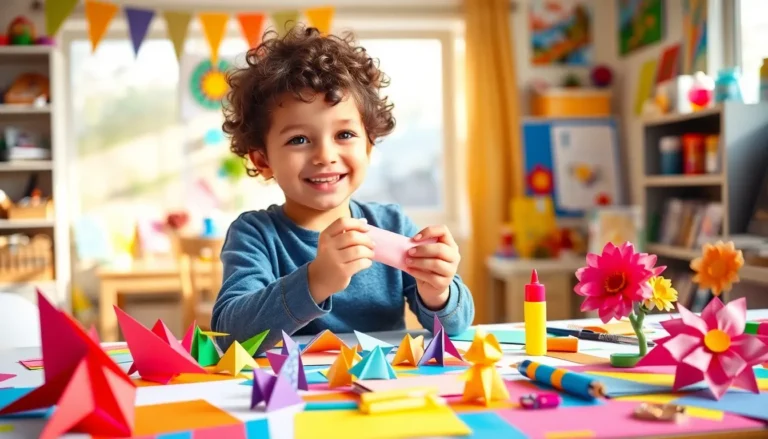

Crafting can turn a dull afternoon into a colorful adventure. With easy DIY crafts for kids, parents can unleash their little ones’ creativity while keeping the mess contained—mostly. Forget the expensive art supplies; all it takes is a few household items and a sprinkle of imagination.
Overview of Easy DIY Crafts for Kids
Easy DIY crafts provide kids with engaging opportunities to unleash their creativity. Utilizing common household items, kids can create fun projects without needing expensive materials. These crafts promote imaginative thinking while developing fine motor skills.
Popular options include paper plate animals, which require only plates, glue, and some colors. Kids enjoy transforming simple materials into delightful creatures. Another favorite is homemade slime, which uses household ingredients like glue and baking soda. This sensory activity captivates children of various ages.
Collage-making serves as a versatile craft that allows kids to explore different themes. Magazines, newspapers, and scrap paper create vibrant pictures. Painting with edible materials, like yogurt or pudding, introduces a safe and delicious twist to basic painting.
Kids can also try recycled crafts by using empty containers and cardboard boxes. Transforming these items into functional storage or imaginative toys sparks creativity while promoting sustainability.
Jewelry-making can easily be done with pasta or cereal. Kids string these items together, creating colorful necklaces or bracelets. This craft also encourages focus and patience as they work with intricate details.
Whether planning a rainy day or an after-school activity, easy DIY crafts provide endless fun. Keeping crafting simple yet enjoyable ensures that kids stay engaged and excited about the creative process.
Benefits of Crafting for Kids
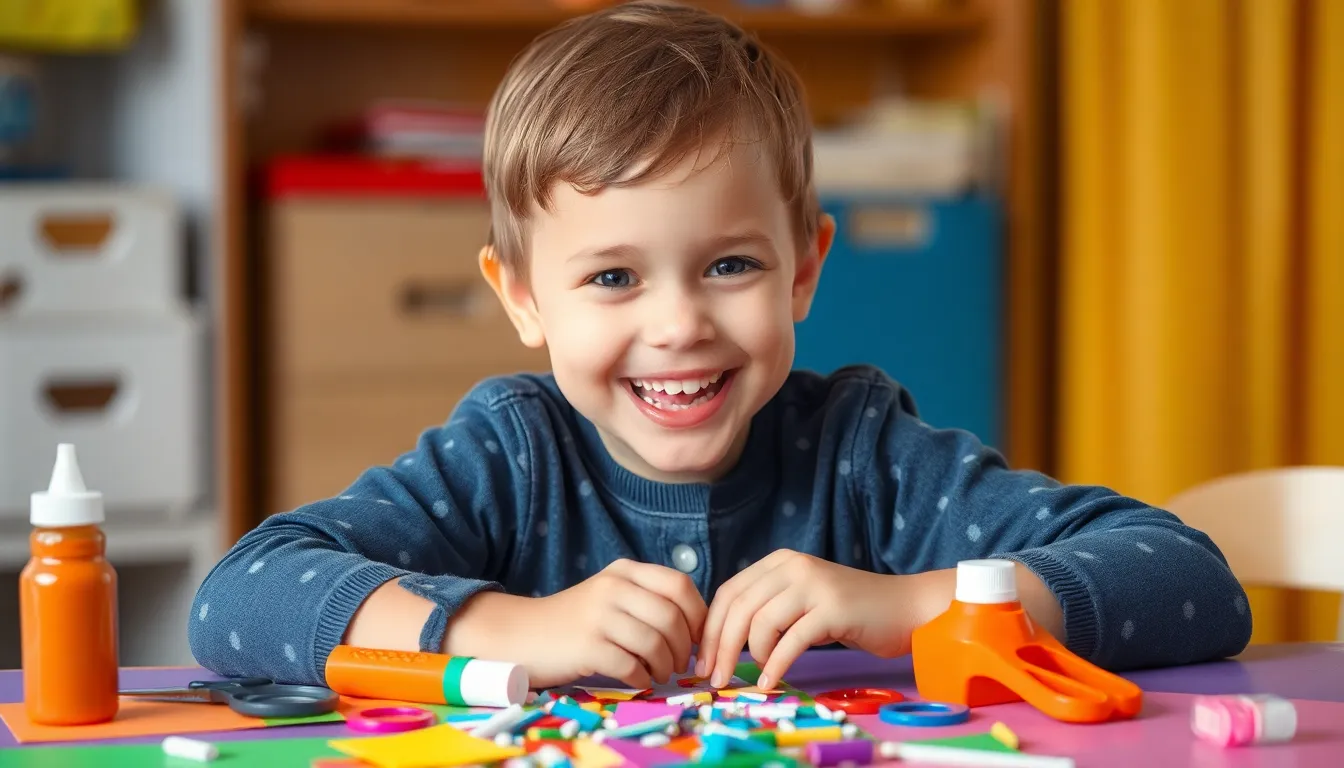
Crafting offers numerous advantages for children, enriching their playtime with meaningful activities. Engaging in these creative pursuits not only entertains but also fosters various developmental skills.
Enhances Creativity
Crafting inspires children to explore their imagination. Through hands-on activities, they experiment with colors, textures, and shapes. Kids learn to express their ideas without fear of judgment, leading to innovative thinking. As they create unique projects, they develop a sense of ownership and pride in their work. These experiences encourage them to envision new possibilities, reinforcing imaginative capabilities across all areas of life.
Develops Fine Motor Skills
Crafting significantly improves fine motor skills in children. Activities like cutting, gluing, and painting require precise hand movements that enhance dexterity. Kids gain control over their hand and finger muscles, which is vital for tasks such as writing and buttoning clothing. Engaging in these crafts also promotes hand-eye coordination as children follow patterns or assemble pieces. This skill development lays a solid foundation for future academic achievements, making crafting a valuable activity in early childhood.
Simple Craft Ideas
Simple craft projects engage kids and encourage creativity. Parents can utilize everyday items to create memorable experiences.
Paper Plate Animals
Children can transform paper plates into imaginative animal creations. First, paint the plates with vibrant colors to depict various animals. Next, add features like ears from cardstock or googly eyes for added personality. Kids can also use leftover materials like fabric scraps or yarn to create textures. This project fosters both creativity and fine motor skills as they cut and assemble their animal crafts. Finished products can be displayed or used in imaginative play scenarios.
Bottle Cap Magnets
Bottle caps make excellent materials for colorful fridge magnets. Kids can start by painting or decorating caps with fun designs using markers or stickers. Once dry, attach small magnets to the back with glue. For more creativity, suggest they add photos or drawings inside the caps before sealing them. This craft not only enhances artistic expression, but also teaches kids about recycling and repurposing materials. Displaying these magnets on the fridge showcases their efforts in a fun, functional way.
DIY Friendship Bracelets
Creating friendship bracelets offers kids a chance to learn about patterns and color combinations. Simple supplies like embroidery floss or yarn provide enough variety for unique designs. Children can knot strands together, experimenting with different techniques like braiding or weaving. Encourage them to make matching bracelets to share with friends, reinforcing social bonds. This craft nurtures patience and focus while providing a tangible expression of friendship. Sharing these bracelets expresses kids’ creativity and strengthens their connections.
Seasonal Crafts
Seasonal crafts engage kids and promote creativity. Different seasons provide unique crafting opportunities.
Fall-Themed Crafts
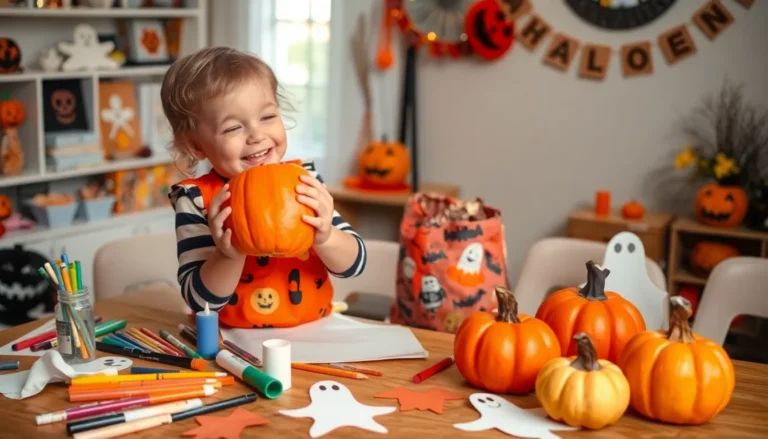
Creating leaf rubbings captures the essence of fall. Kids can collect colorful leaves, place them under paper, and rub crayons over them for vibrant designs. Making pinecone creatures offers another fun project. Children use pinecones, googly eyes, and glue to craft imaginative animals. Additionally, painting pumpkins can be an exciting Halloween activity. Children choose small pumpkins, paint them in various colors, and turn them into fun characters.
Summer Crafts
Summer brings an array of crafting possibilities. Crafting seashell necklaces adds a nautical touch. Children gather seashells from the beach and string them together with colorful beads. Making sun catchers can brighten up any window. Using clear plastic lids, kids decorate with tissue paper or markers to create beautiful designs that catch sunlight. Creating DIY kites also provides fun outdoor activities. Kids use paper bags and sticks to make simple kites that fly on windy days.
Tips for Successful Crafting
Crafting is a delightful experience that can engage kids’ creativity. To ensure a fun and productive crafting session, consider essential tips.
Choosing the Right Materials
Selecting materials makes a significant difference in crafting success. Look for common household items like paper, glue, scissors, and markers. Examples include recycled containers for sculpting or cardboard for constructing models. Choose colorful items to spark interest and inspiration. Safety scissors aid younger children in crafting without hazards. Additionally, consider non-toxic paints for creative projects. Every craft benefits from a variety of textures and colors, which enhances engagement and fosters imaginative play.
Setting Up a Crafting Space
Creating a dedicated crafting space promotes focus and organization. Designate a table or a corner of a room where kids can freely explore their creativity. Ensure good lighting in the area to help them see their projects clearly. Lay down a protective covering on surfaces to prevent stains and damage. Organize materials in bins or trays for easy access and clean-up. Encourage kids to personalize their space with decorations or artwork that inspires them. A welcoming and structured environment motivates kids to dive into crafting activities with enthusiasm.
Crafting opens up a world of creativity for kids while offering valuable developmental benefits. By using simple materials found at home, children can explore their imagination and express themselves in unique ways. Whether it’s making colorful friendship bracelets or crafting seasonal decorations, these easy DIY projects provide endless opportunities for fun.
Encouraging kids to engage in crafting not only enhances their fine motor skills but also fosters patience and innovative thinking. With a little guidance and the right materials, parents can create an inviting crafting environment that inspires their children. Embracing these DIY activities can transform ordinary days into memorable experiences filled with creativity and joy.