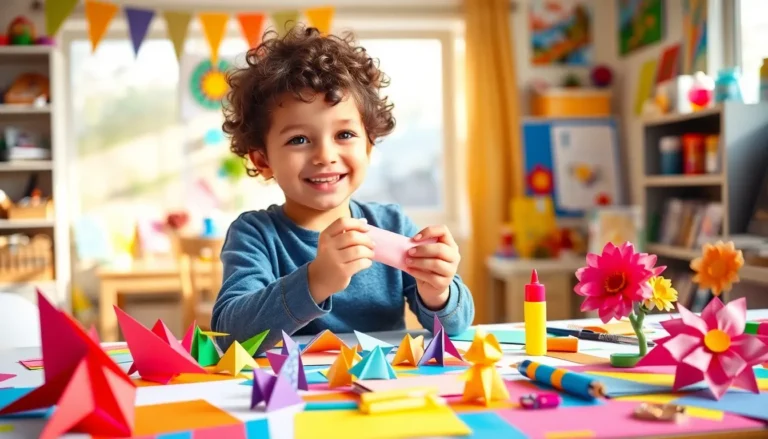
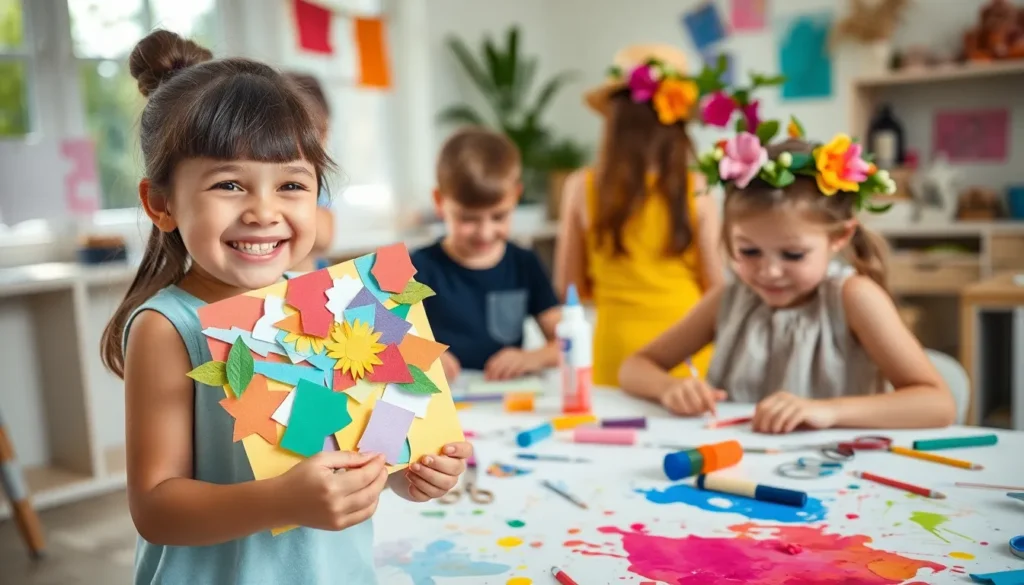
Unleashing creativity in kids can feel like trying to herd cats, but DIY arts and crafts offer a fun solution. Imagine a world where glitter rains down like confetti and paintbrushes dance across canvases. With a sprinkle of imagination and a dash of mess, children can transform everyday materials into masterpieces.
Benefits Of DIY Arts And Crafts For Kids
Engaging in DIY arts and crafts offers numerous benefits for children. These activities not only entertain but also support important developmental skills.
Enhances Creativity
Creativity flourishes through hands-on art projects. Children explore various materials, techniques, and concepts, fostering original thought. Unique creations emerge when they combine ideas and inspirations. Illustrating this, a simple paper plate can transform into an imaginative mask or a vibrant animal. Experimentation encourages kids to think outside the box, which nurtures problem-solving abilities. Engaging with colors, textures, and forms heightens their artistic expression. Each project serves as a platform for self-discovery and innovation.
Improves Motor Skills
Motor skills gain substantial enhancement with DIY arts and crafts. Activities like cutting, gluing, and painting involve precise hand-eye coordination. Grasping tools like scissors or brushes strengthens fine motor skills crucial for daily tasks. Building projects with different components, such as threading beads or assembling models, develops dexterity. A child stitching fabric pieces together practices focus and coordination simultaneously. Overall, the act of creating not only results in beautiful art but also sharpens essential physical abilities.
Popular DIY Arts And Crafts Projects
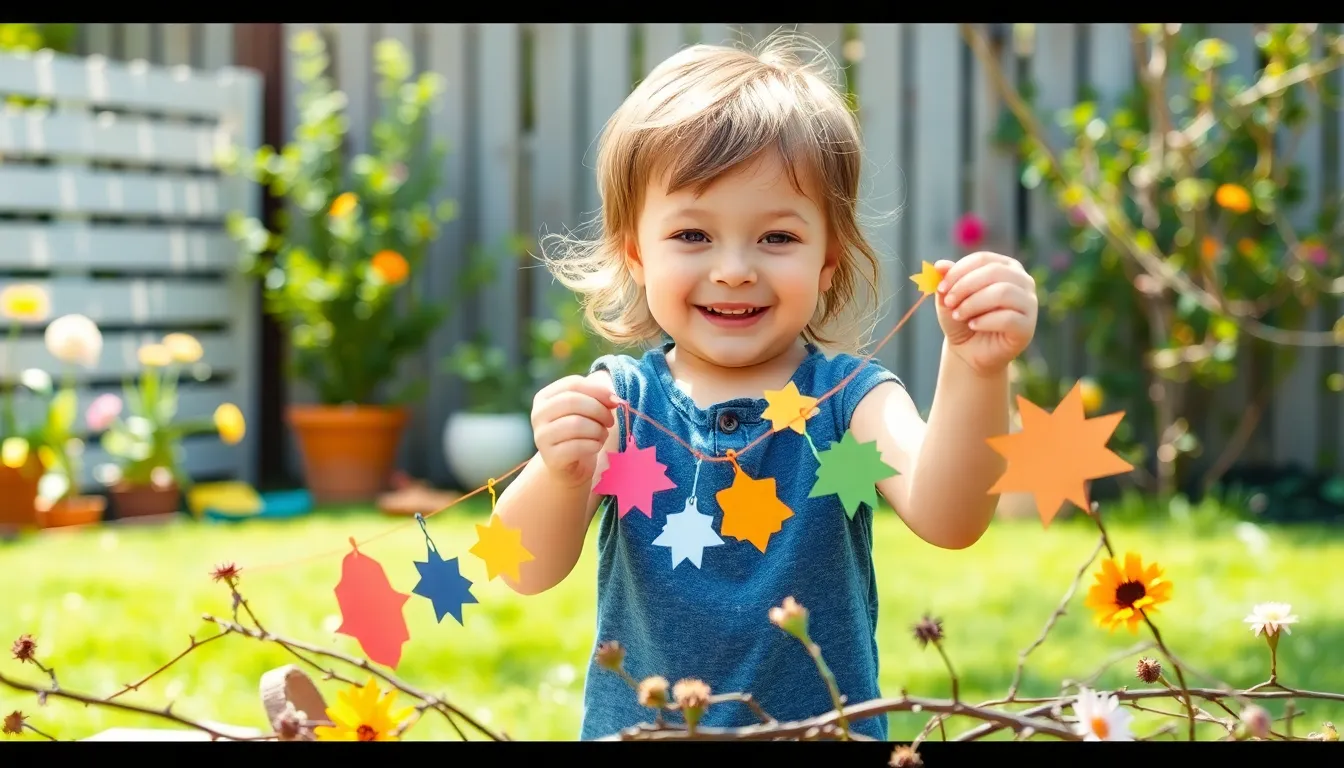
Exploring DIY arts and crafts projects offers children a chance to express their creativity. Many engaging options exist that utilize simple materials available at home.
Simple Paper Crafts
Creating with paper provides endless possibilities. Kids can fold origami to develop precision and patience. Collage projects invite them to use scrap paper, magazines, and even old greeting cards. These crafts encourage creativity while enhancing fine motor skills. A garland made from colorful paper shapes serves as a fun decoration for any room.
Nature-Inspired Crafts
Nature inspires a range of creative projects. Collecting leaves, flowers, and twigs sparks imagination in children. Kids can create leaf rubbings using crayons or design flower crowns for a whimsical touch. Painting rocks turns ordinary stones into charming garden decor. Integrating natural elements not only fosters creativity but also teaches respect for the environment.
Recycled Material Projects
Using recycled materials leads to innovative crafts. Empty containers, cardboard boxes, and old clothing can transform into art. Children can construct bird feeders from milk cartons or design robot sculptures using assorted boxes. These projects highlight the importance of recycling while allowing kids to think outside the box. Creativity flourishes when they see potential in everyday items.
Tips For Getting Started
Starting DIY arts and crafts projects requires preparation. Gathering the right materials and setting up an inviting workspace enhances creativity and engagement.
Gather Necessary Supplies
Identifying essential supplies simplifies project execution. Items like paper, scissors, glue, and colors such as markers or paints form a basic kit. Including additional resources like recycled materials sparks innovative thinking. Having brushes, cotton balls, and tape expands project possibilities. Organizing these supplies in labeled containers aids in accessibility and reduces frustration during creativity bursts.
Set Up A Creative Space
Creating a designated workspace fosters inspiration. Choosing a well-lit area encourages focus and enthusiasm. Keeping surfaces clear of clutter promotes organization and efficiency. Using a table covered with a protective cloth safeguards against mess. Displaying finished projects as inspiration can motivate children to explore new ideas. Incorporating comfortable seating allows for longer creative sessions, contributing to enhanced focus and enjoyment.
Encouraging Kids’ Creativity
Creating an environment that nurtures creativity takes intentional effort. Parents can provide a variety of materials, such as cardboard, fabric scraps, and paints, to inspire unique creations. Organizing art supplies in labeled containers makes access easier, allowing kids to experiment freely.
Setting up a dedicated workspace plays a crucial role in encouraging creative thinking. A clutter-free, well-lit area fosters focus and inspiration. Additionally, displaying completed projects boosts confidence, reinforcing the value of their artistic efforts.
Offering open-ended prompts encourages children to think critically and express themselves. Encourage them to design a puppet theater or build a spaceship using recycled items. By suggesting specific themes, children can explore different concepts while maintaining room for personal interpretation.
Participating in craft sessions alongside children enhances their creativity. Working together on projects encourages collaboration and idea-sharing. Simple activities like joint painting sessions or creating joint scrapbooks foster a supportive atmosphere where ideas flourish.
Recognizing each child’s unique artistic voice is essential. Praise efforts, not just outcomes, to instill a love for creativity. This approach builds self-esteem and motivates kids to continue exploring their artistic abilities.
Engaging kids in discussions about their art expands their thinking. Ask them about color choices or the story behind their creations. These conversations can deepen critical thinking while helping them articulate their artistic vision.
Through these methods, parents and caregivers can effectively cultivate an environment where kids’ creativity thrives. Each encouragement, whether through materials or interaction, enriches the artistic journey, ensuring that children develop essential skills while having fun.
Engaging in DIY arts and crafts offers children a unique opportunity to express themselves while developing essential skills. By creating a stimulating environment filled with diverse materials and open-ended prompts, parents and caregivers can inspire creativity and critical thinking. These activities not only entertain but also foster problem-solving abilities and fine motor skills.
As children explore their artistic talents, they also learn the value of collaboration and self-expression. Embracing the joy of crafting together strengthens bonds and deepens understanding. Encouraging kids to dive into the world of DIY arts and crafts is a rewarding journey that nurtures their imagination and paves the way for lifelong creativity.