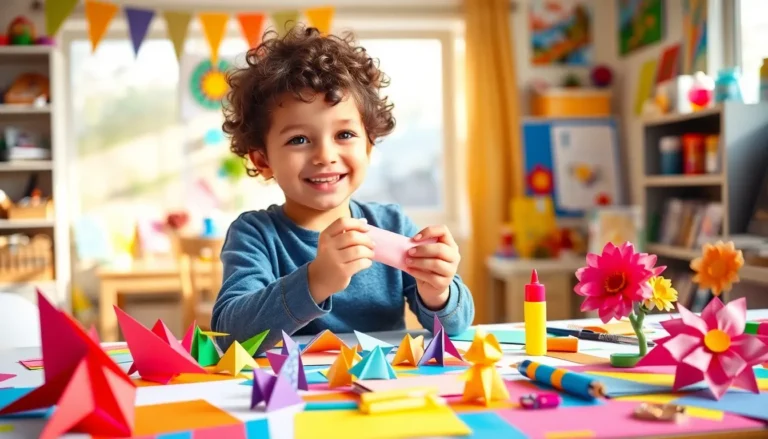

In a world filled with screens and structured activities, creative play offers a refreshing escape for children. It sparks imagination and fosters essential skills, allowing kids to explore their thoughts and feelings freely. Engaging in creative play not only entertains but also nurtures problem-solving abilities and social interactions.
Parents and educators are always on the lookout for innovative ways to encourage this type of play. By introducing unique and fun ideas, they can transform ordinary moments into extraordinary adventures. This article dives into a variety of creative play ideas that inspire children to think outside the box and unleash their inner artists, inventors, and storytellers. Whether it’s through art, imaginative games, or outdoor exploration, these activities promise to enrich children’s playtime experiences.
Understanding Creative Play
Creative play stimulates imagination and fosters essential skills in children. This type of play encourages exploration, experimentation, and expression, leading to varied developmental benefits.
Importance of Creative Play
Creative play serves as a cornerstone for children’s growth, allowing them to express emotions and develop self-confidence. It enhances cognitive abilities through problem-solving scenarios and imaginative scenarios. Engaging in creative play fosters autonomy, as children make choices, navigate challenges, and learn about consequences.
Benefits for Child Development
| Benefit | Description |
|---|---|
| Emotional Development | Cultivates self-expression and emotional regulation through diverse play actions. |
| Social Skills | Enhances communication, negotiation, and cooperation while engaging with peers. |
| Cognitive Growth | Boosts critical thinking, memory, and attention span during imaginative play. |
| Motor Skills | Develops fine and gross motor skills through building, drawing, and physical games. |
| Confidence | Builds self-esteem and agency as children create and achieve in play dynamics. |
Types of Creative Play Ideas

Creative play can take many forms, both outdoors and indoors. These play ideas foster imagination, promote exploration, and encourage problem-solving skills among children.
Outdoor Play Ideas
- Nature Scavenger Hunt: Create a list of items for children to find, such as leaves, flowers, or rocks. This activity encourages observation and exploration.
- Obstacle Course: Set up a course using outdoor equipment like hula hoops, cones, and ropes. It promotes physical activity and problem-solving as children navigate the course.
- Storytelling Circle: Gather children in a garden or park and encourage them to create a story using elements from their surroundings. This activity enhances narrative skills and creativity.
- Art in Nature: Use natural materials like twigs, stones, and flowers to create art projects. It promotes creativity while connecting children to nature.
- Nature-Inspired Role Play: Encourage children to act out roles related to nature, like plants or animals. This imaginative play boosts creativity and understanding of ecosystems.
Indoor Play Ideas
- Art Station: Set up a space with basic art supplies like paint, crayons, and paper. Allow children to express themselves without restrictions, fostering creativity.
- Building Challenges: Provide blocks or recycled materials for children to create structures. This play enhances spatial awareness and encourages engineering skills.
- Themed Dress-Up: Create a dress-up corner with costumes and props. This activity encourages imaginative play and social interaction as children assume different roles.
- Indoor Treasure Hunt: Hide objects around the house and provide clues for children to find them. This activity promotes critical thinking and problem-solving skills.
- Creative Cooking: Involve children in preparing a simple recipe. Allow them to combine ingredients creatively, enhancing their culinary skills and fostering teamwork.
Activities to Encourage Creativity
Engaging in creative activities nurtures children’s imagination and enhances their developmental skills. Here are two effective approaches to spark creativity through play.
Arts and Crafts Projects
Utilizing various materials fosters artistic expression. Children can create collages using recycled paper, paint with natural dyes, or sculpt with clay. Setting up a designated arts and crafts space promotes free exploration. Activities like making friendship bracelets, designing greeting cards, or creating seasonal decorations help develop fine motor skills and boost confidence. Providing diverse tools, such as scissors, glue, paint, and fabric scraps, opens up endless possibilities for creativity.
Imaginative Role-Playing
Encouraging imaginative role-playing stimulates storytelling and problem-solving abilities. Children can engage in dress-up play, where they transform into different characters, from superheroes to historical figures. Setting up themed environments, like a pirate ship or a castle, provides a backdrop for adventures. Incorporating everyday scenarios, such as running a restaurant or a store, promotes social skills and negotiation tactics. Participation in group role-playing activities also enhances teamwork and communication skills, enriching children’s interactive experiences.
Implementing Creative Play in Daily Life
Implementing creative play in daily life enhances children’s growth and development. Simple adjustments in environments and routines encourage imaginative exploration and interaction.
Setting Up a Creative Space
Creating a dedicated space for creative play is essential. Choose an area that provides flexibility, allowing for various activities. Include:
- Art supplies: Stock crayons, markers, paints, and recyclable materials for crafting.
- Building items: Offer blocks, Legos, or other construction materials for imaginative architecture.
- Comfort zones: Arrange cozy corners with cushions or blankets for storytelling or rest.
- Outdoor access: Designate a space for exploring nature, such as a garden or backyard.
Encouraging children to personalize their creative space fosters ownership and investment in their play.
Incorporating Play into Routine
Integrating creativity into daily routines nurtures imaginative skills. Focus on these strategies:
- Schedule playtime: Dedicate specific times each day for creative activities, making it a non-negotiable part of the day.
- Engage during chores: Turn household tasks, like laundry or cleaning, into fun games, fostering teamwork and cooperation.
- Create themed days: Introduce different themes for play each week, such as “Art Day” or “Nature Adventure Day,” inspiring specific activities.
- Utilize everyday moments: Encourage storytelling during breakfasts, crafts during downtime, and imaginative role-playing in the evenings.
Making creative play a routine part of daily life promotes consistency and encourages children to express themselves freely.
Embracing creative play is vital for nurturing children’s growth and development. By incorporating imaginative activities into daily routines, parents and educators can foster an environment where children feel free to explore and express themselves. Whether through outdoor adventures or indoor art projects, the possibilities are endless.
Encouraging creativity not only enhances cognitive skills but also builds confidence and social abilities. By making creative play a regular part of life, children gain valuable tools that will serve them well into adulthood. The joy of play can transform learning into an engaging experience, making it an essential aspect of childhood.