In the rollercoaster ride of pregnancy, every term seems to come with its own set of mysteries. Enter SVD, or spontaneous vaginal delivery, the VIP pass to the grand finale of childbirth. It’s the moment when all the preparation, anticipation, and maybe a few too many pickles come together in a glorious, albeit messy, event.
What Is SVD In Pregnancy
SVD stands for spontaneous vaginal delivery, a common method of childbirth. This process occurs without the assistance of surgical interventions such as cesarean sections. During SVD, the mother experiences contractions, which help push the baby through the birth canal.
Vaginal delivery typically has many benefits. Shorter recovery times often accompany SVD compared to cesarean deliveries. Many mothers also appreciate that SVD encourages immediate bonding with their newborn due to skin-to-skin contact.
Labor may vary in duration for each pregnant individual. Some women experience shorter labors, lasting a few hours, while others may labor for many hours or even days. Healthcare providers often monitor various factors during labor, like fetal heart rate and maternal contractions, to ensure safety for both mother and baby.
Considerable preparation is vital for a successful SVD. Prenatal classes often provide education on labor, breathing techniques, and positions for delivery. A supportive birth team, including partners or professional doulas, enhances the overall experience.
Expectant mothers usually discuss birth plans with their healthcare providers. These discussions address preferences regarding pain management options, delivery positions, and immediate postpartum care. Flexibility remains key, as situations during delivery can change unexpectedly.
Healthcare guidelines recommend regular prenatal check-ups throughout pregnancy. These visits ensure the health of both mother and baby while also addressing any concerns. Education about labor signs also prepares women for the onset of spontaneous vaginal delivery.
SVD represents a natural approach to childbirth, emphasizing the body’s capability in delivering a baby. This method fosters empowerment, making it a popular choice among many pregnant women.
Importance of Understanding SVD
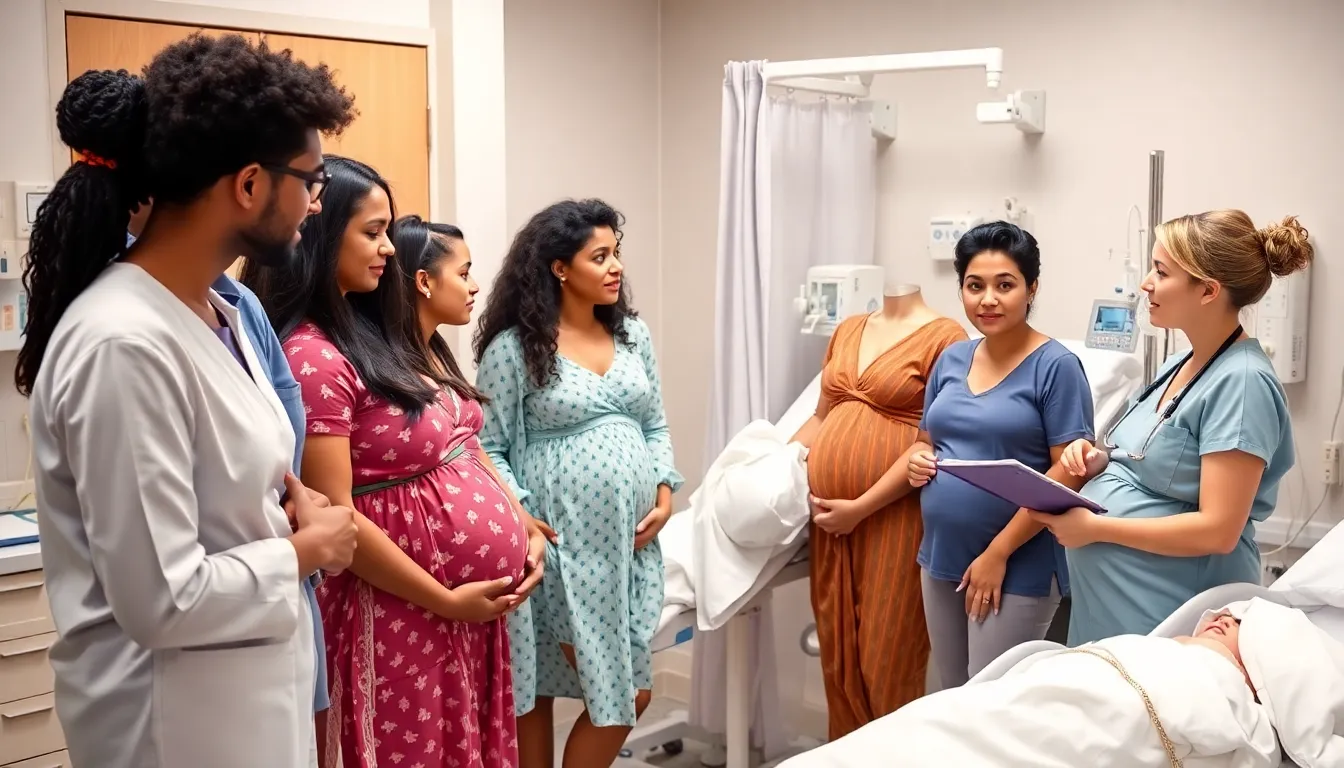
Understanding spontaneous vaginal delivery (SVD) is essential for expectant parents. Awareness of its risks and benefits equips them to make informed decisions during the childbirth process.
Risks Associated with SVD
Certain complications can arise with spontaneous vaginal delivery. Pelvic floor injuries, including tears or weakened muscles, may occur during the birthing process. Birth injuries to the baby, such as shoulder dystocia, can also happen. In some cases, excessive bleeding for the mother could pose serious health risks. It’s crucial to discuss these potential challenges with healthcare providers before delivery. Monitoring by medical professionals throughout labor ensures prompt action if complications arise, safeguarding the health of both mother and baby.
Benefits of SVD
Numerous advantages accompany spontaneous vaginal delivery. Shorter recovery times for mothers create opportunities for early bonding with newborns. Skin-to-skin contact immediately post-birth enhances emotional connections and benefits breastfeeding success. Many women experience lower risks of infection when choosing SVD over surgical options. Natural hormonal responses during labor also support maternal mental well-being. Being involved in the birthing process helps empower women by encouraging participation in their childbirth experience. These factors contribute to SVD’s popularity among expectant mothers.
Factors Influencing SVD
Multiple factors impact spontaneous vaginal delivery (SVD) outcomes. Understanding these elements can enhance preparation and decision-making during labor.
Maternal Health
Maternal health directly affects delivery. Conditions like diabetes or hypertension can complicate labor and delivery processes. The mother’s physical fitness also plays a significant role. Well-managed pregnancies often lead to healthier deliveries. Emotional well-being contributes to readiness for SVD, as stress and anxiety can hinder the labor process. Nutritional status matters too, influencing overall energy levels during labor. Receiving proper prenatal care helps identify and mitigate issues that could affect delivery. Regular check-ups allow healthcare providers to monitor maternal health continuously.
Fetal Position
Fetal position significantly influences labor duration and success. Optimal positions, like the head-down presentation, facilitate easier deliveries. Conversely, breech or transverse positions may lead to complications, often necessitating medical interventions. During labor, monitoring fetal position becomes essential. Changes in position can occur, sometimes requiring adjustments in maternal positioning to aid delivery. Squatting or utilizing birthing aids can encourage optimal fetal positioning. Knowledge about positions allows mothers to advocate for strategies that support SVD during labor. Addressing fetal positioning well before labor contributes to a smoother delivery experience.
SVD vs. Other Delivery Methods
Spontaneous vaginal delivery (SVD) contrasts sharply with cesarean sections and assisted deliveries. SVD generally involves the least surgical intervention, promoting quicker recovery times and fostering immediate bonding. Many mothers prefer this method due to its less invasive nature and the ability to hold their newborns right after birth.
Cesarean deliveries, while sometimes necessary, introduce longer recovery periods. They can increase risks, such as infections and complications due to surgery. Women who undergo cesareans often face extended hospital stays compared to those who experience SVD.
Assisted deliveries, including forceps or vacuum extraction, provide alternatives when complications arise during labor. These methods can expedite the birthing process but also pose risks, like bruising or minor injuries to the baby. Risks associated with assisted deliveries may lead to longer monitoring periods post-delivery.
Discussing delivery options with healthcare providers enhances decision-making. Factors influencing the choice of delivery method include maternal health conditions and fetal positioning. Both of these elements affect labor dynamics, urging mothers to stay informed throughout their pregnancy journey.
Support systems also play vital roles in shaping delivery experiences. An attentive birth team can ease anxiety and help navigate challenges during labor. Knowledge about various delivery methods empowers mothers, allowing them to advocate for their preferences while remaining open to adjustments.
Expectant parents benefit from understanding differences among delivery methods. Fostering communication with healthcare professionals enhances awareness of potential complications. Educated choices support positive experiences, making each delivery method, including SVD, a uniquely personal journey.