Puppet crafts open up a world of creativity and imagination. From whimsical sock puppets to intricate marionettes, crafting puppets allows individuals to express themselves while honing their artistic skills. These engaging projects not only entertain but also provide a unique way to tell stories and connect with others.
Whether for a school project, a theater production, or simply a fun afternoon activity, puppet crafts are accessible to all ages. They encourage hands-on learning and foster problem-solving abilities, making them perfect for both kids and adults alike. Dive into the vibrant realm of puppet-making and discover how these charming creations can bring joy and inspiration to your life.
Overview of Puppet Crafts
Puppet crafts encompass a wide range of creative activities involving the design and creation of puppets. Various puppet types include sock puppets, finger puppets, marionettes, and shadow puppets. Each puppet type offers unique crafting techniques and artistic expression.
Puppet-making engages individuals in hands-on learning, allowing them to discover materials such as fabric, paper, and wood. Typically, crafting puppets involves cutting, gluing, and painting, which enhances fine motor skills. Puppet crafts also encourage storytelling, making them an effective tool for educators and parents to foster creativity and imagination.
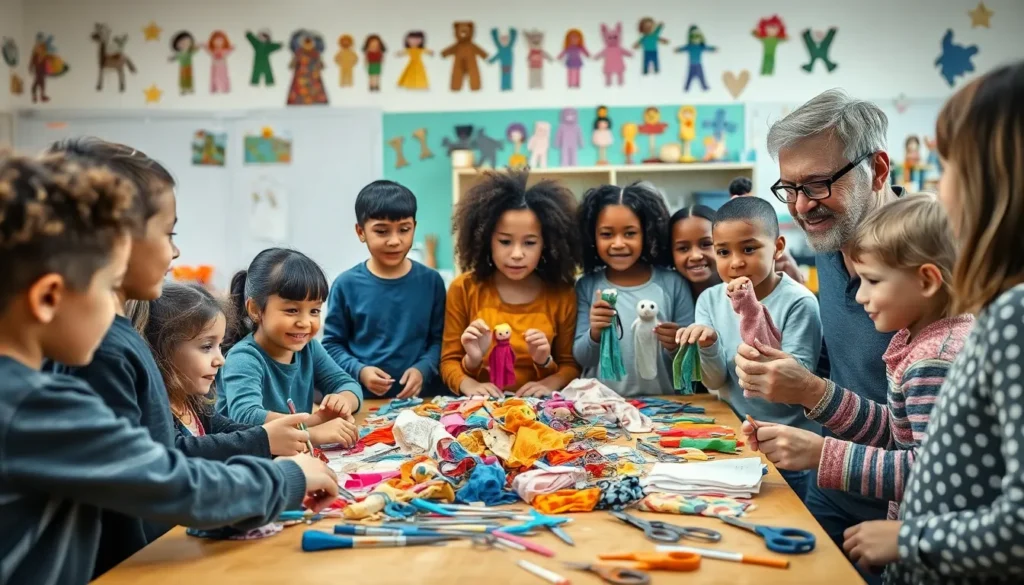
Crafting puppets suits all ages, from toddlers creating simple finger puppets to adults designing intricate marionettes. Participants can work individually or collaboratively, promoting social interaction and teamwork. Through puppet-making, artists gain a deeper understanding of character development and performance, making it an enriching experience.
Puppet crafts serve as a versatile medium for expression and creativity, appealing to diverse audiences and interests.
Types of Puppet Crafts
Puppet crafts come in various forms, each offering unique ways to engage creativity and storytelling. Below are some popular types of puppet crafts individuals can explore.
Hand Puppets
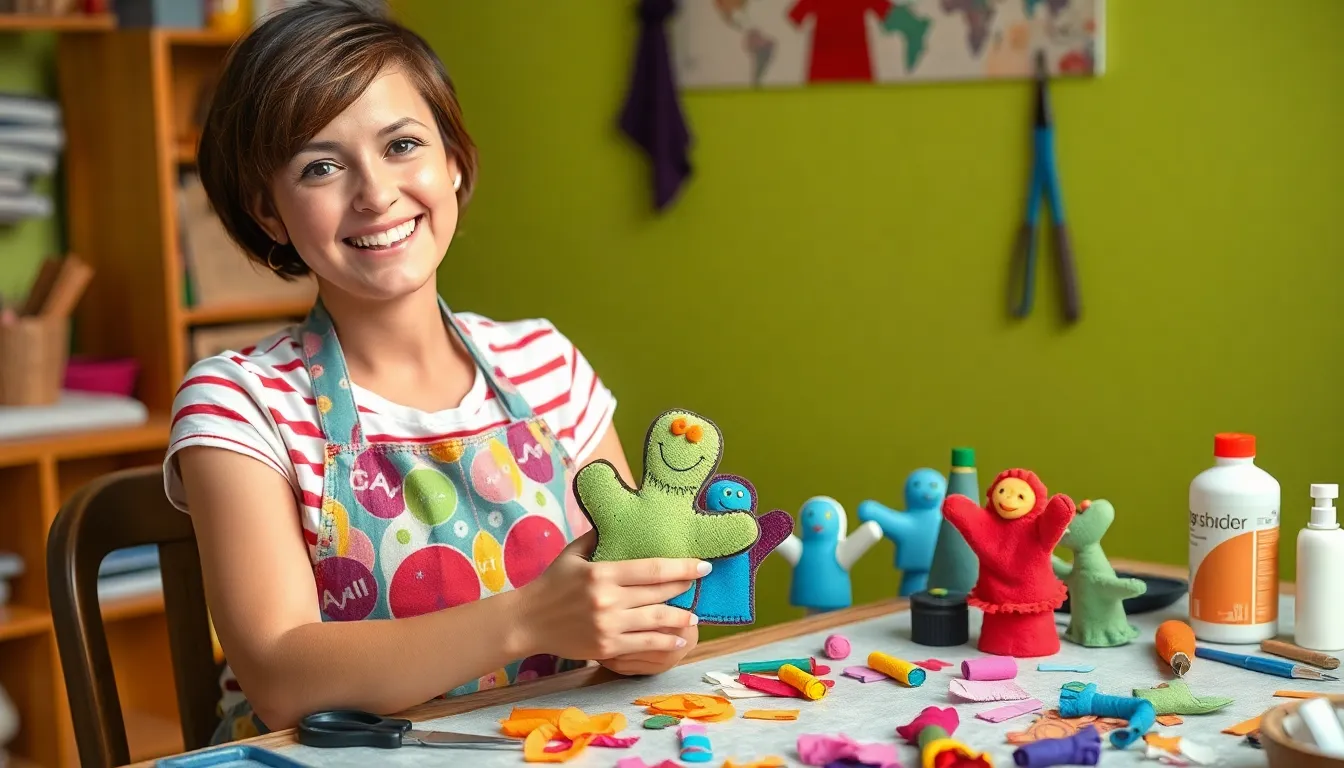
Hand puppets, often referred to as glove puppets, fit over the entire hand. They allow for dynamic movements and expressive gestures, making them popular for performances. Crafting hand puppets involves materials like felt, fabric, and buttons. Techniques like sewing, gluing, and decorating enhance personal styles. Ideal for beginners and experienced crafters alike, these puppets encourage imaginative play and can represent a wide range of characters.
Finger Puppets
Finger puppets are small, lightweight puppets that slide onto individual fingers. They offer an intimate, playful experience for storytelling and make excellent tools for interactive learning. Materials often include felt, paper, or recycled items. Crafting can involve simple cutting and gluing, making it accessible for young children. Finger puppets can range from animals to storybook characters, fostering creativity and fine motor skills.
Marionettes
Marionettes are puppets controlled by strings or wires, allowing for intricate movement and expression. Crafting marionettes requires more advanced skills, including woodworking and string manipulation. Materials such as wood, fabric, and plastic often feature in their designs. The construction process can teach valuable lessons about mechanics and physics. Marionettes provide a richer storytelling experience and can captivate audiences of all ages with their sophistication.
Materials Used in Puppet Crafts
Puppet crafts utilize a variety of materials to create engaging and imaginative characters. Understanding these materials enhances the crafting experience and the outcome.
Fabric and Textiles
Fabric and textiles play a crucial role in puppet crafting. Common fabrics include:
- Felt: Soft and versatile, felt is easy to cut and sew, making it ideal for beginners. It’s available in many colors and can be used for finger puppets and hand puppets.
- Cotton: Lightweight and breathable, cotton works well for hand puppets. Its durability allows for repeated use in performances.
- Satin and Velvet: These fabrics add a luxurious touch to marionettes. They offer a shiny finish and can create visually striking puppets.
- Recycled Materials: Everyday items like old clothes or fabric scraps provide an eco-friendly option. This encourages creativity and resourcefulness among crafters.
Wood and Other Materials
Wood and other durable materials contribute to more complex puppet designs. Key options include:
- Wood: Commonly used for marionette bodies and bases, wood provides stability. It can be carved or shaped, allowing for detailed and sturdy puppet structures.
- Cardboard: Cost-effective and easy to work with, cardboard is perfect for creating lightweight puppets or boxes that house shadow puppets.
- Paper Mâché: This material creates a solid structure when dried. It’s excellent for crafting masks or heads for various puppet styles.
- String and Wire: Essential for marionettes, string and wire provide control for movement. These materials allow puppets to be manipulated from above, creating an engaging performance.
Employing these materials leads to a diverse range of puppet types and improves craftsmanship skills.
Techniques for Creating Puppet Crafts
Creating puppet crafts involves various techniques that bring creativity and imagination to life. The following methods enhance the crafting experience for creators of all ages.
Sewing and Stitching
Sewing and stitching techniques play a vital role in puppet-making. Common methods include:
- Straight Stitching: This basic technique connects fabric pieces such as felt or cotton for hand puppets, ensuring durability.
- Whip Stitching: This method works well for attaching edges, creating a finished look on fabric puppets.
- Machine Sewing: Using a sewing machine allows for quicker assembly of intricate designs, especially for marionettes.
- Hand Stitching: Hand sewing remains essential for detailing, enabling personalized touches that enhance character and expression.
Choosing the right technique depends on the puppet’s complexity and the creator’s skill level.
Painting and Decorating
Painting and decorating techniques add personality and flair to puppets. Key methods include:
- Brush Painting: This basic technique allows for custom designs on fabric or wood, perfect for vibrant hand puppets.
- Fabric Paint: Specialty fabric paints adhere well to various materials, providing bold and colorful options for artistic expression.
- Decoupage: This method involves layering paper cutouts with adhesive, ideal for adding texture and depth to marionettes.
- Embellishments: Adding googly eyes, sequins, and buttons enhances visual interest, making puppets more engaging for performances.
These techniques transform simple materials into captivating characters and stories.
Benefits of Puppet Crafts
Puppet crafts offer numerous benefits, enhancing creativity and learning.
- Encourages Creativity: Crafting puppets allows individuals to unleash their imagination, designing unique characters and stories. It highlights personal expression through artistic choices in materials and design.
- Develops Fine Motor Skills: Engaging in puppet-making activities requires cutting, gluing, and sewing. These tasks assist in honing fine motor skills, essential for tasks like writing and drawing.
- Promotes Social Interaction: Puppets serve as tools for group activities. Individuals can collaborate on puppet shows, fostering teamwork and communication skills while building relationships.
- Enhances Storytelling Abilities: Puppet crafts contribute significantly to storytelling. Individuals learn to convey narratives through performances, improving their verbal communication and confidence.
- Suitable for All Ages: Puppet-making activities engage participants from toddlers to adults. They cater to various skill levels, enabling exploration of simple or intricate designs according to individual capabilities.
- Encourages Problem-Solving Skills: Building puppets often involves overcoming challenges, such as material limitations and design decisions. This engagement boosts critical thinking and creative problem-solving abilities.
- Provides Therapeutic Benefits: Engaging in craft activities, including puppet-making, has been shown to reduce stress and promote relaxation. The hands-on nature encourages mindfulness, leading to emotional benefits.
Through these benefits, puppet crafts offer a multifaceted avenue for skill development and personal expression, making them a valuable activity for anyone looking to enhance creativity and well-being.
Puppet crafts offer a unique blend of creativity and skill development that appeals to people of all ages. Engaging in puppet-making not only fosters artistic expression but also enhances fine motor skills and problem-solving abilities. Whether it’s a simple finger puppet or an intricate marionette, each creation tells a story and connects individuals through shared experiences.
By exploring various materials and techniques, crafters can unleash their imagination and create memorable performances. Puppet crafts serve as a valuable tool for educators and parents, promoting creativity and mindfulness in a fun and interactive way. Embracing the world of puppetry can lead to endless possibilities and joy for everyone involved.