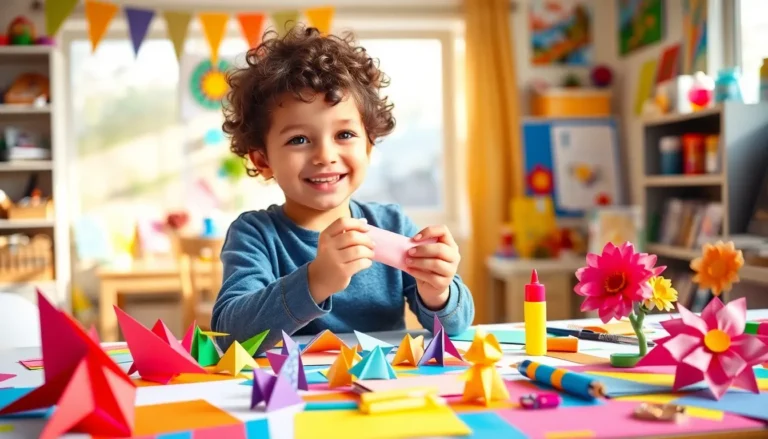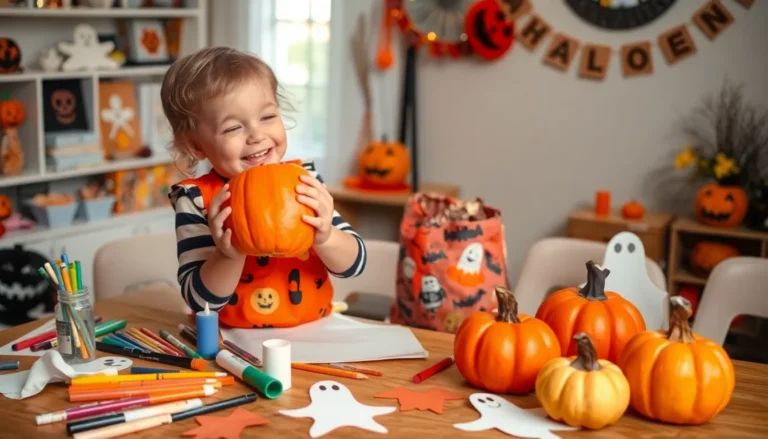

Classroom bulletin boards are more than just a place to pin up assignments; they’re a canvas for creativity and a hub for inspiration. Imagine walking into a classroom where vibrant crafts leap off the walls, sparking curiosity and engagement among students. These bulletin board crafts not only brighten up the space but also serve as powerful teaching tools that can enhance learning in a fun way.
Overview of Classroom Bulletin Board Crafts
Classroom bulletin board crafts serve as interactive displays that foster creativity and engagement. These crafts transform bulletin boards into effective communication tools.
Importance of Bulletin Boards
Bulletin boards play a crucial role in classrooms. They provide visual stimulation that enhances the learning environment. Engaging topics showcased on these boards spark curiosity. An organized presentation encourages students to interact with the displayed material. Crafting bulletin boards fosters teamwork, as students collaborate on projects. These activities yield a sense of ownership, motivating them to take pride in their environment.
Benefits for Students
Students gain numerous benefits from bulletin board crafts. Creativity gets a boost through hands-on activities. Engaging with crafts enhances their fine motor skills, making learning more interactive. These projects also encourage critical thinking as students make design choices. Participation in bulletin board creation fosters social skills, promoting teamwork and communication. Additionally, seeing their work displayed boosts their confidence and sense of accomplishment.
Types of Classroom Bulletin Board Crafts
Classroom bulletin board crafts come in various types, each serving unique purposes. These categories enhance the learning environment while engaging students.
Seasonal Crafts
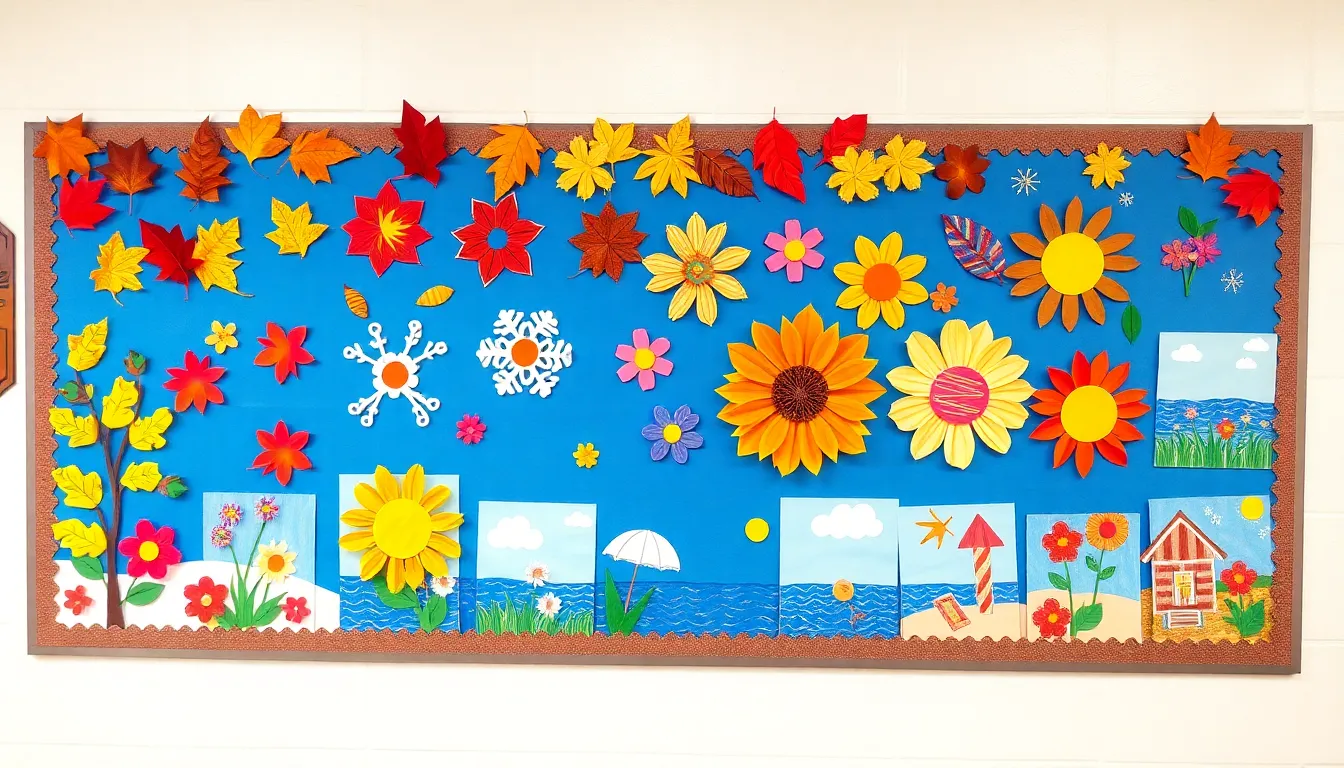
Seasonal crafts reflect themes relevant to specific times of the year. Fall crafts might include colorful leaves and pumpkins, while winter themes often feature snowflakes and holiday symbols. Spring crafts typically introduce flowers and sunshine motifs, and summer displays might showcase beach scenes and vibrant colors. Incorporating seasonal elements keeps bulletin boards fresh, linking classroom activities to real-world experiences.
Educational Crafts
Educational crafts focus on reinforcing learning objectives. For mathematics, students can create visual aids like number lines or geometry shapes. Language arts crafts may involve making word clouds or grammar charts. Science projects often involve posters illustrating life cycles or ecosystems. These hands-on activities support key concepts, making learning interactive and memorable for students.
Thematic Crafts
Thematic crafts enhance specific subjects or projects. An ocean theme might inspire displays of marine life, while a space theme could feature planets and stars. History projects could bring to life different eras through character figures and artifacts. Themes deepen understanding and allow students to explore subjects creatively. Engagement grows as visual representations intrigue them and spark their curiosity.
Materials Needed for Bulletin Board Crafts
Creating bulletin board crafts requires specific items to ensure the projects succeed. Gathering the right materials streamlines the crafting process and enhances creativity.
Craft Supplies
Paper provides a foundation for most bulletin board projects. Options include construction paper, colored cardstock, and decorative patterned paper. Glue sticks and liquid glue secure items together. Scissors facilitate precise cuts, while markers, crayons, and colored pencils add color and detail. Additionally, embellishments such as stickers and glitter enhance visual appeal. All these supplies encourage hands-on engagement while allowing for personalization in design.
Tools and Equipment
Basic tools support the crafting process effectively. A ruler helps achieve straight lines and accurate measurements. A pencil ensures mark-up flexibility before making cuts. To add dimension, foam squares or double-sided tape can create layers. Crafting mats protect surfaces during intense projects. Finally, a stapler or push pins secure items to bulletin boards, confirming a tidy finish. Utilizing these tools maximizes creativity and organization, making the bulletin board process enjoyable.
Tips for Creating Engaging Bulletin Boards
Creating engaging bulletin boards involves applying effective design principles and actively involving students in the crafting process. These strategies enhance the visual impact and create a sense of community within the classroom.
Design Principles
Utilize color schemes to create visual harmony, selecting complementary colors that draw attention. Maintain balance by distributing visual elements evenly across the board, preventing overcrowding. Include varying textures and materials to add depth, making the board more inviting. Ensure clarity by incorporating clear text and well-defined images, so key messages stand out. Lastly, use a clean layout to facilitate easy navigation, guiding students’ eyes to the most important information.
Involving Students in the Process
Encouraging student involvement fosters ownership and pride in their work. Assign specific roles during the crafting sessions, such as designer or organizer, to promote teamwork. Let students brainstorm ideas for themes and materials, allowing their creativity to shine. Incorporate feedback by having students share their thoughts on designs, making adjustments based on their input. Celebrate completed projects by showcasing their contributions, which boosts motivation and reinforces their commitment to the classroom environment.
Conclusion
Classroom bulletin board crafts are invaluable tools that enrich the educational experience. They foster creativity and collaboration while transforming the classroom into an engaging environment. By incorporating seasonal, educational, and thematic crafts, teachers can create dynamic displays that resonate with students and enhance learning.
The right materials and thoughtful design principles elevate these crafts, making them not just visually appealing but also effective teaching aids. Involving students in the crafting process instills a sense of ownership, boosting their confidence and social skills. Ultimately, these bulletin boards become vibrant reflections of student creativity and a source of pride within the classroom.