Pregnancy isn’t just a nine-month journey; it’s a cultural odyssey filled with fascinating traditions and quirky rituals. From the moment a couple discovers they’re expecting, a world of unique practices unfolds, reflecting the rich tapestry of human experience. Ever wondered why some cultures insist on singing to the baby bump while others swear by specific foods to ensure a happy baby?
These cultural pregnancy practices are more than just old wives’ tales; they’re deeply rooted in history and belief systems. They offer a glimpse into how different societies celebrate life and prepare for the arrival of a new family member. So buckle up and get ready to explore the delightful, sometimes bizarre, and always intriguing customs that make pregnancy a truly global experience. After all, who wouldn’t want to learn how to rock a baby shower like a pro from around the world?
Overview of Cultural Pregnancy Practices
Cultural pregnancy practices vary significantly across the globe, each rooted in specific beliefs and histories. Rituals often serve as celebrations that unite families and communities. Various customs might involve singing to the baby bump, a tradition reflecting deep emotional bonds.
Dietary practices during pregnancy represent another vital aspect. In some cultures, specific foods symbolize health and prosperity. These dietary restrictions or recommendations aren’t mere superstitions; they hold significant cultural meanings attached to fertility and childbirth.
Additionally, blessings and prayers are prevalent in many cultures. Expectant mothers frequently receive encouragement from families, invoking positive vibes for the unborn child. Such communal involvement enhances the anticipatory joy of pregnancy.
Moreover, unique rituals arise at different stages of pregnancy. For example, some cultures conduct ceremonies for the first kicks felt, often seen as significant milestones. Celebrations and gatherings occur to mark these moments, fostering communal spirit and support.
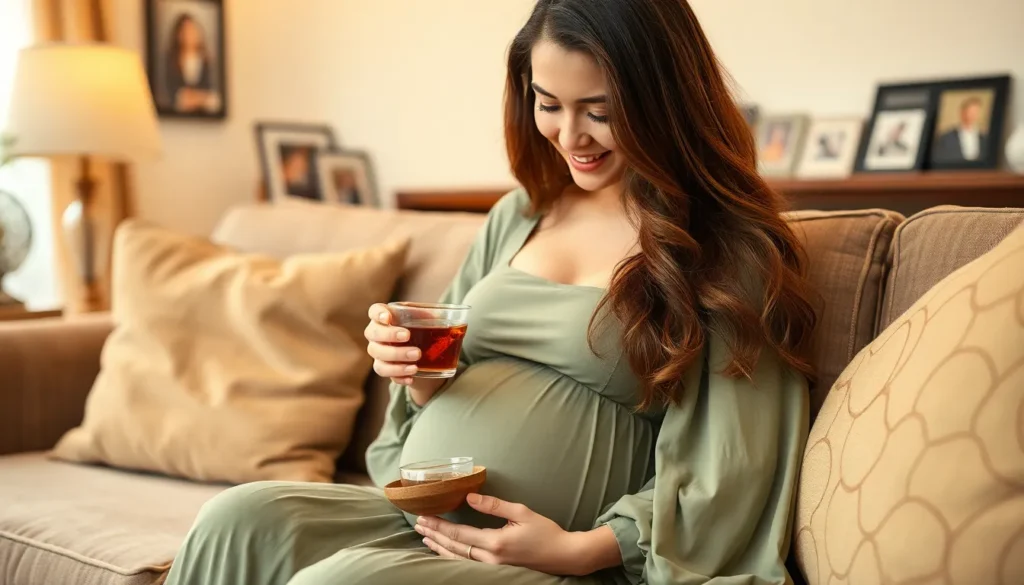
Certain groups practice specific health rituals, such as herbal baths or massages, aimed at promoting wellness during pregnancy. These activities not only promote physical health but also engage cultural traditions that encourage mental well-being.
Throughout various societies, these practices highlight the importance of community in supporting expectant mothers. As families prepare for a new member, customs blend emotional significance with practical guidance, deeply enriching the pregnancy journey.
Traditional Practices Across Different Cultures
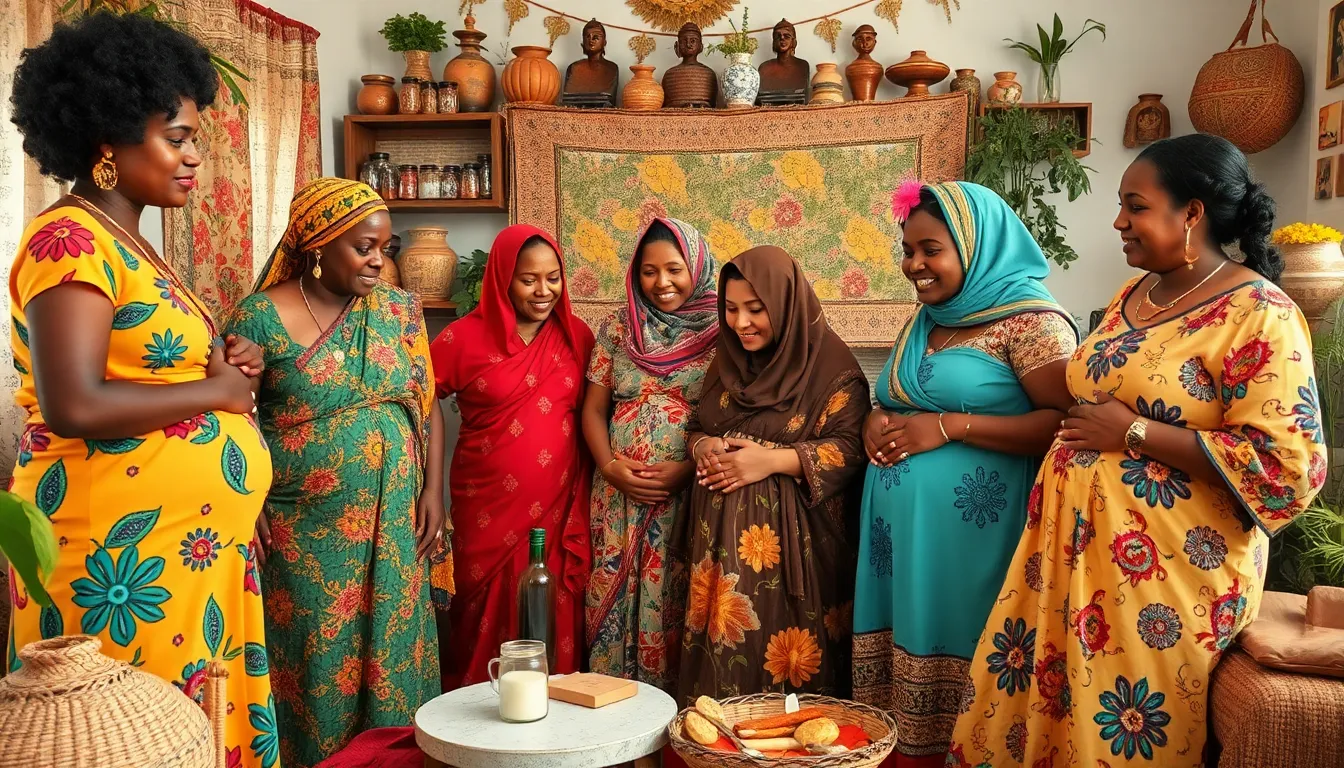
Various cultures showcase distinct practices surrounding pregnancy. These traditions not only signify community values but also provide support to expectant mothers worldwide.
African Cultural Practices
In many African cultures, rituals during pregnancy often involve communal support. Mother blessing ceremonies, unique feasts, and singing surround the pregnant woman, fostering connection. Certain tribes focus on dietary practices, emphasizing specific foods believed to ensure the baby’s health. Herbal remedies play a crucial role; they promote wellness and comfort throughout the pregnancy. Rituals celebrating the baby’s kicks often involve dance and music, marking an important milestone. Community-wide participation reinforces the bond among families and enhances the emotional significance of the pregnancy journey.
Asian Cultural Practices
Asian cultural practices offer varied traditions regarding pregnancy. For instance, in Chinese culture, the belief in maintaining a balanced diet persists, with specific food combinations considered beneficial. Pregnant women often receive advice related to auspicious dates for childbirth. In India, a ceremony known as Godh Bharai typically occurs, celebrating the mother-to-be with blessings and gifts. Additionally, some cultures incorporate herbal teas aimed at nurturing both mother and baby. Celebrations around the first maternity movements foster community engagement. Each practice embodies the hope and joy surrounding new life.
European Cultural Practices
European traditions reflect a rich tapestry of beliefs about pregnancy. In Greece, women often celebrate with a baby shower called “Vaptism,” where family and friends gather to offer gifts. Northern European countries emphasize maintaining a health-oriented lifestyle. Many expectant mothers partake in specific diets known to enhance fertility and well-being. A tradition in France involves preparing a special meal, symbolizing abundance and prosperity for the baby. Various rituals focus on connecting the baby to family heritage, reinforcing the significance of lineage in European societies. Each cultural practice contributes to the anticipation surrounding childbirth.
Modern Influences on Cultural Pregnancy Practices
Modern influences reshape cultural pregnancy practices, blending traditional beliefs with contemporary ideas. Diverse elements actively transform how societies prepare for childbirth.
Impact of Globalization
Globalization significantly alters local customs, introducing new practices and ideas to traditional societies. For instance, pregnant women now access various international birthing techniques and dietary recommendations. Additionally, exposure to different cultural rituals enriches local traditions, making them more inclusive. The merging of cultures fosters a mix of beliefs and practices, allowing communities to adopt unique aspects while retaining their original heritage. As a result, diverse practices coexist, creating a dynamic landscape for pregnancy rituals.
Role of Technology and Social Media
Technology and social media play essential roles in modern pregnancy practices, facilitating knowledge sharing across cultures. Online platforms enable expectant mothers to connect with others, share experiences, and access information. Through videos and blogs, women learn about alternative birthing methods and wellness practices globally. Social media fosters community support and engagement, where families share cultural customs in real-time. The rapid exchange of information encourages innovation while maintaining cultural traditions, allowing them to adapt and thrive in today’s world.
Benefits and Challenges of Cultural Practices
Cultural pregnancy practices offer significant emotional and psychological benefits. Many women find comfort in participating in rituals that connect them with their heritage. Engaging in these practices fosters a sense of belonging and community support. Family involvement in these traditions enhances feelings of love and reassurance during pregnancy. Support from others can decrease anxiety and improve overall well-being. Expectant mothers often report feeling more empowered through shared experiences. As such, these practices promote not only personal connection but also collective joy.
Potential risks and misconceptions exist around cultural practices. Some traditions may conflict with medical advice, causing health concerns for mothers and children. Misunderstandings about rituals can lead to stigmatization of certain practices. Cultural sensitivity is vital, as dismissal of local customs may alienate expectant families. The mixing of modern and traditional beliefs may result in confusion or conflicting information. Researching these practices helps clarify misconceptions while promoting informed decisions. It’s essential to balance cultural significance with evidence-based health knowledge for optimal outcomes.
Conclusion
Cultural pregnancy practices offer a rich tapestry of beliefs and traditions that enhance the journey to motherhood. They reflect the unique values of each society while fostering community support and emotional well-being for expectant mothers. By embracing these diverse customs, families can create meaningful connections that celebrate new life.
As modern influences continue to shape these practices, it’s essential to honor traditional rituals while integrating contemporary knowledge. This balance not only respects cultural heritage but also promotes informed choices for healthier pregnancy experiences. Ultimately, recognizing the significance of these practices enriches the understanding of pregnancy as a universal yet uniquely personal journey.