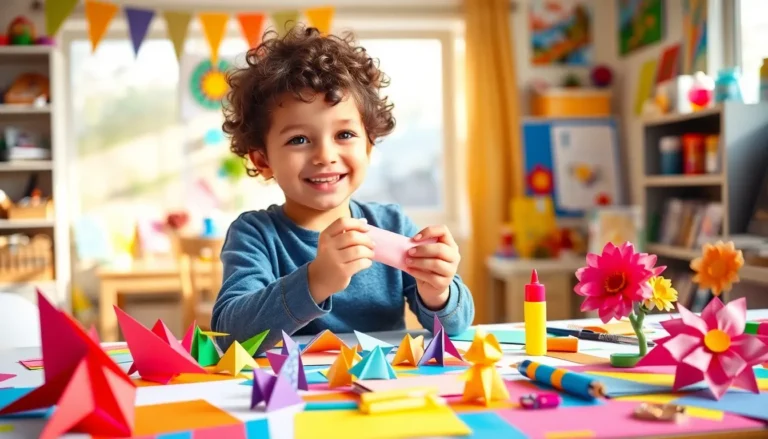
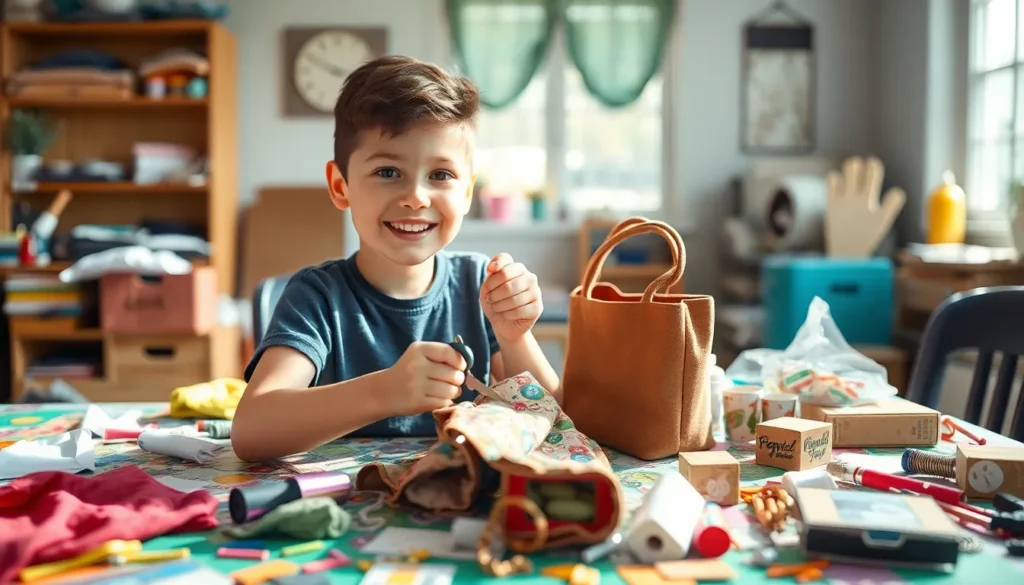
In a world overflowing with plastic and waste, upcycled kids projects are the superhero solution every parent didn’t know they needed. Imagine transforming that pile of old t-shirts into a funky tote bag or turning empty cereal boxes into a dazzling castle fit for a king. Not only do these creative endeavors keep kids entertained, but they also teach valuable lessons about sustainability and resourcefulness.
Upcycling isn’t just a fancy word for recycling; it’s a chance for kids to unleash their inner Picassos while saving the planet, one craft at a time. So, grab those forgotten items lurking in the back of the closet and prepare for a fun-filled adventure that’ll have the whole family laughing, learning, and creating. Who knew saving the environment could be this much fun?
Benefits of Upcycled Kids Projects
Upcycled kids projects offer numerous advantages, fostering creativity while promoting sustainability. Engaging in these activities benefits both children and the environment.
Environmental Impact
Upcycling significantly reduces waste by repurposing materials that might otherwise enter landfills. Transforming items like old t-shirts into tote bags or cereal boxes into play structures conserves resources. Every project completed lowers the demand for new materials, which in turn decreases energy consumption. Kids learn about recycling and its importance, gaining awareness of their ecological footprint. These projects instill values of environmental stewardship, encouraging a lifetime commitment to sustainability.
Educational Value
Upcycled projects provide hands-on learning experiences that stimulate creativity and problem-solving. Children practice skills such as planning and critical thinking when designing their crafts. Parents and children collaborate on projects, enhancing communication and teamwork abilities. These activities teach resourcefulness by showing how everyday items can become valuable materials. Understanding the upcycling process nurtures an appreciation for creativity and innovation, merging fun with foundational lessons in art and environmental science.
Creative Upcycling Ideas
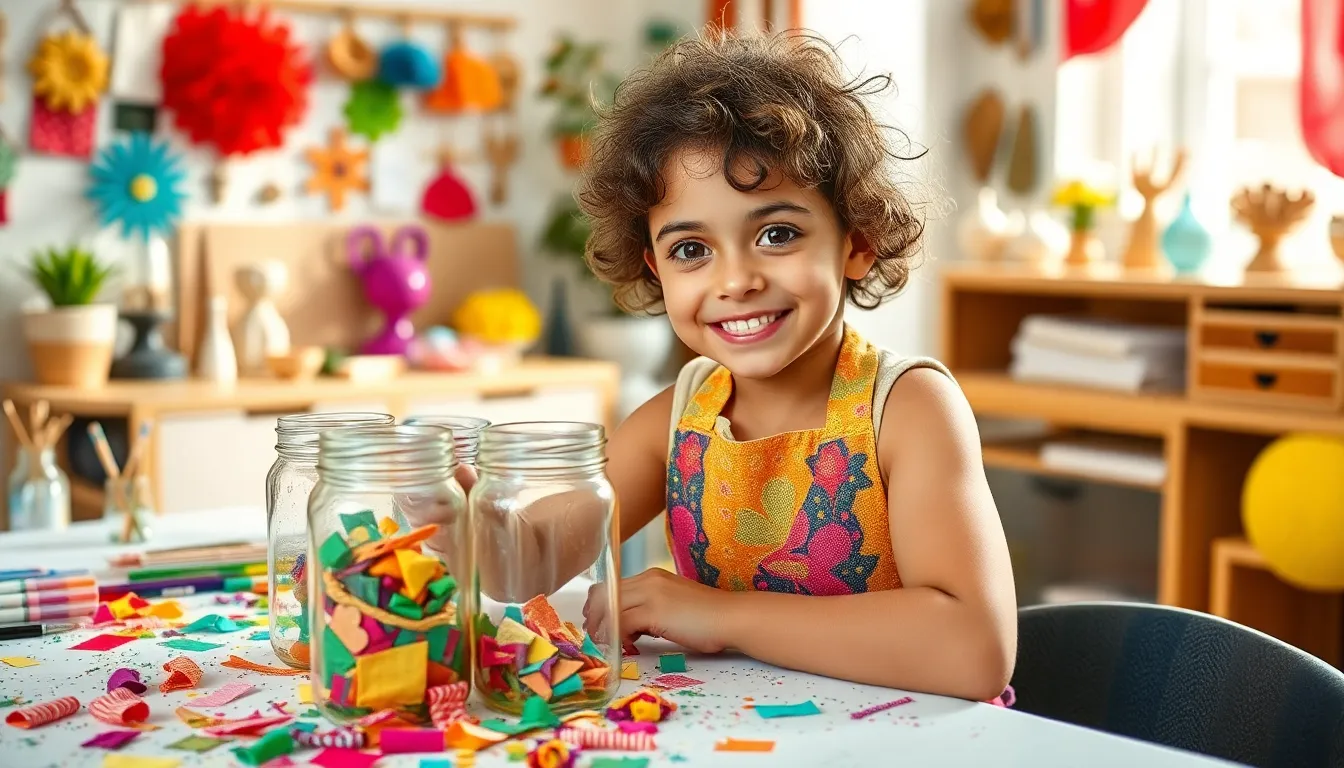
Upcycled projects encourage creativity while teaching sustainability. Engaging kids in these activities leads to fun and valuable experiences.
Fun Art Projects
Transforming old materials into art captivates young imaginations. Paper towel rolls can become unique sculptures. Unused buttons and fabric scraps create colorful collages. Empty jars serve as paintbrush holders or even DIY lanterns. Each project sparks creativity and provides endless possibilities. Kids learn to express themselves while reimagining discarded items.
Practical Everyday Items
Upcycling extends into creating practical items kids use daily. Old t-shirts can be turned into durable tote bags, perfect for carrying books or toys. Cereal boxes transform into storage organizers, helping keep their space tidy. Wine corks easily convert into bulletin boards or plant markers. Crafting these items not only fosters resourcefulness but also enhances functionality and organization within the home.
Materials for Upcycled Kids Projects
Utilizing everyday materials makes upcycled projects accessible and fun for kids. Parents often find that common items in their homes serve as excellent crafting supplies.
Common Household Items
Old t-shirts, toilet paper rolls, and cereal boxes transform into creative projects. Empty glass jars work well for storage solutions or artistic creations. Bottles and containers provide versatile bases for imaginative sculptures. Fabric scraps can become collages and other textile-based crafts. Many families discover that newspapers and magazines serve as great mediums for paper mache or colorful collages. These familiar items encourage children to see value in things typically discarded. Each project fosters creativity while teaching kids the importance of resourcefulness.
Sourced Materials
Thrift stores offer unique opportunities for sourcing materials. Parents often find inexpensive supplies like fabric, toys, and books, which can be reimagined into new projects. Craft fairs and flea markets present additional possibilities, providing discarded yet valuable items. Local community groups sometimes host exchanges where families can trade materials, enhancing sustainability efforts. These sourced materials enrich creative experiences and encourage collaboration. Kids learn to appreciate the stories and potential behind each piece, turning what others may see as junk into treasures.
Safety Considerations
Safety remains a crucial aspect of upcycled kids projects. Parents must ensure that activities are age-appropriate, and tools and materials used are safe for children.
Age-Appropriate Projects
Select projects based on children’s age and abilities. Younger kids might thrive with simple tasks, like creating collages from paper scraps. Older children can handle more complex designs, such as building fort structures from cardboard boxes. Assessing skill levels ensures a safe and enjoyable crafting experience. Heavier items pose risks, so use lighter materials for younger kids. Encourage independence while supervising, particularly during intricate activities, to manage risks effectively.
Safe Tools and Materials
Choose safe tools tailored for children when undertaking upcycled projects. Scissors with rounded tips work well for younger kids, minimizing the risk of cuts. Clean materials are vital; ensure items are free from sharp edges and harmful substances. Non-toxic glue and child-friendly paints promote a safe crafting environment. Check for any small parts that could pose choking hazards. Regularly inspect used items to confirm safety standards, keeping the focus on fun and learning while prioritizing child wellbeing.
Conclusion
Upcycled kids projects offer a unique blend of creativity and sustainability that benefits both children and the environment. By transforming everyday items into imaginative crafts, kids not only have fun but also learn valuable lessons about resourcefulness and ecological responsibility.
These activities spark creativity while fostering essential skills like problem-solving and teamwork. Parents and children alike can enjoy quality time together, exploring the endless possibilities that upcycling presents.
As they engage in these hands-on projects, children develop an appreciation for creativity and innovation, turning what might be considered waste into treasured creations. Embracing upcycled projects can lead to a more sustainable lifestyle while nurturing the next generation of environmentally conscious individuals.