

Pelvic floor exercises might not sound like the most thrilling topic, but they’re the unsung heroes of fitness. Imagine a secret weapon that can boost your confidence, improve bladder control, and even spice up your love life—all while you’re binge-watching your favorite show. Who knew squeezing your way to better health could be so simple and discreet?
These exercises are like the ninja of workouts—powerful yet often overlooked. With just a few minutes a day, anyone can strengthen those muscles that support vital organs. So why not give your pelvic floor the attention it deserves? It’s time to unleash the power of those hidden muscles and take control of your well-being, one Kegel at a time.
What Are Pelvic Floor Exercises?
Pelvic floor exercises target the muscles that support the bladder, uterus, and rectum. These exercises, often referred to as Kegel exercises, involve repeatedly contracting and relaxing the pelvic floor muscles. Strengthening these muscles enhances bladder control and sexual function.
Understanding how to perform pelvic floor exercises correctly is crucial. First, identify the right muscles by stopping urination mid-stream or tightening the muscles used to prevent passing gas. Once those muscles are located, practice contracting them for five seconds, then relax for five seconds. Gradually increase the intensity and duration of the contractions.
Regular engagement in pelvic floor exercises contributes to a variety of health benefits. Improved bladder control reduces incidents of involuntary leakage. Enhanced intimacy often leads to increased satisfaction for both partners. Strengthened pelvic muscles also play a preventive role against pelvic organ prolapse.
Integrating these exercises into daily routines is feasible. Many individuals can perform them while sitting at a desk, standing, or even lying down. Consistency matters; dedicating just a few minutes each day creates significant improvements over time.
Seeking guidance from healthcare professionals can provide additional support. They can offer tailored advice based on individual needs and health conditions. Additionally, incorporating these exercises into a broader fitness regimen enhances overall wellness and vitality.
Benefits of Pelvic Floor Exercises
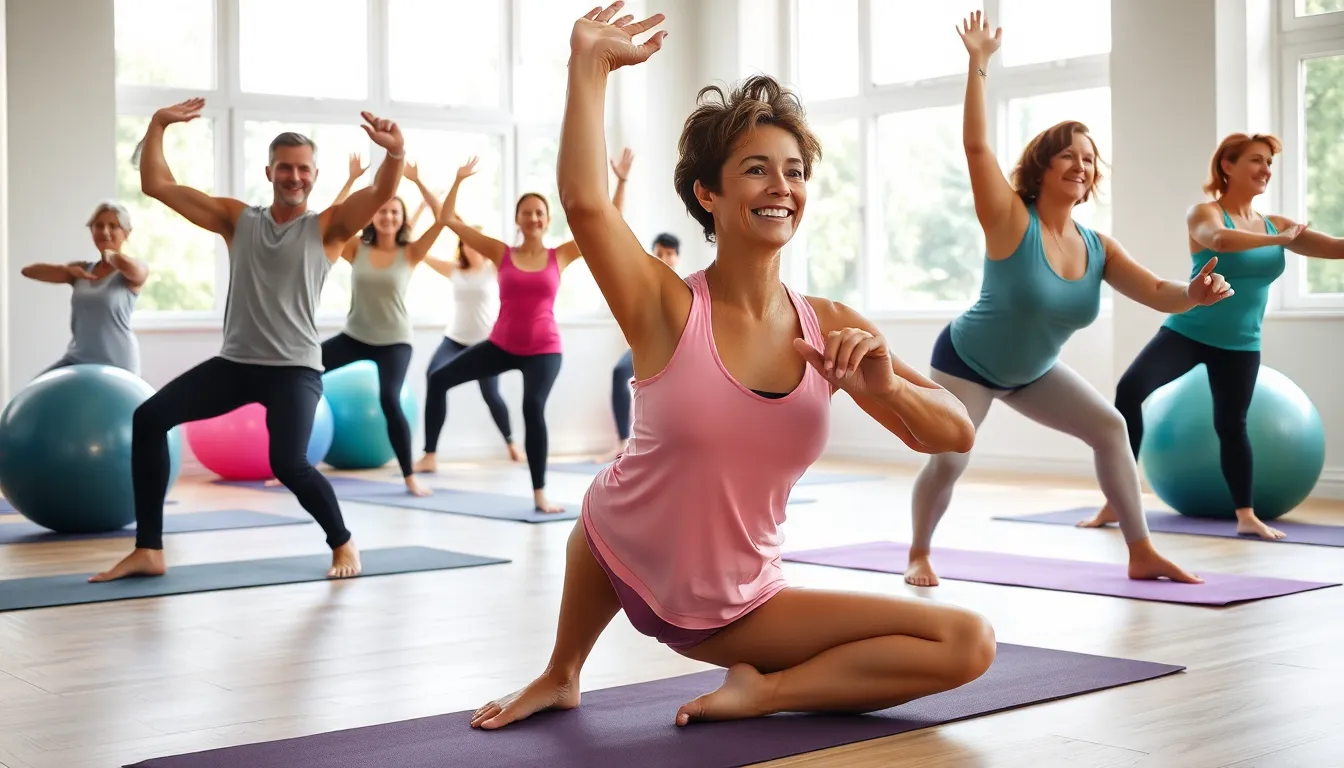
Pelvic floor exercises offer numerous advantages that contribute to overall health and well-being. These benefits extend to various aspects of life, enhancing physical function and emotional confidence.
Improved Bladder Control
Strong pelvic floor muscles support bladder function directly. Regular engagement in pelvic floor exercises reduces the risk of involuntary leakage during activities such as laughing or exercising. Women who experience stress urinary incontinence may find significant relief through consistent practice. Men also benefit from improved bladder control, particularly after prostate surgery. Engaging in pelvic floor exercises can lead to enhanced control over urination over time, thus boosting overall confidence and comfort.
Enhanced Sexual Function
Increased pelvic floor strength can lead to enhanced sexual pleasure. Stronger muscles support improved blood flow and sensation in the genital area. Women often report heightened arousal and more intense orgasms as pelvic floor muscle strength increases. Men benefit from enhanced erectile function due to increased muscle tone and endurance. Engaging in these exercises promotes greater intimacy, allowing for a more fulfilling sexual experience.
Support During Pregnancy and Postpartum
During pregnancy, pelvic floor exercises provide essential support for the growing uterus. Strengthening these muscles can help manage common discomforts such as back pain and pelvic pressure. Additionally, these exercises prepare the body for labor and contribute to smoother recovery postpartum. After childbirth, maintaining pelvic floor muscle strength aids in healing and may counteract conditions like pelvic organ prolapse. Regular practice throughout pregnancy and postpartum ensures ongoing support for pelvic health.
Common Pelvic Floor Exercises
Pelvic floor exercises come in various forms, each targeting specific muscles for optimal strength and function. Practicing these exercises regularly can yield significant health benefits.
Kegel Exercises
Kegel exercises focus on contracting and relaxing the pelvic floor muscles. To perform them, one must identify the correct muscles by stopping urination midstream. After identifying the muscles, contract them for three to five seconds before relaxing for an equal duration. Gradually increase the duration of contractions and the number of repetitions over time. Aim for three sets of 10 to 15 repetitions daily. This exercise improves bladder control and enhances sexual function, making it a vital component of pelvic floor health.
Bridge Exercise
Bridge exercises strengthen not only the pelvic floor but also the glutes and lower back. Start lying on the back with knees bent and feet flat on the floor. Gently lift the hips towards the ceiling while squeezing the glutes and engaging the pelvic floor. Hold this position for a few seconds before lowering the hips back to the floor. Completing 10 to 15 repetitions in three sets is recommended. Regularly incorporating this exercise into a fitness routine can bolster pelvic support and stability.
Squats
Squats are particularly beneficial for strengthening the pelvic floor and lower body muscles. Stand with feet shoulder-width apart and lower the body as if sitting in a chair. Keep the chest lifted and ensure knees don’t extend beyond the toes. Holding the squat position can provide additional engagement of the pelvic floor. Performing 10 to 15 squats for three sets helps improve muscle strength and functional movement. This exercise serves not only the pelvic floor but also enhances overall fitness and stability.
Tips for Effective Practice
Practicing pelvic floor exercises effectively involves establishing a routine and tracking progress. These steps ensure individuals maximize benefits while maintaining motivation.
Establishing a Routine
Creating a consistent schedule for pelvic floor exercises enhances effectiveness. Choose specific times daily, such as morning or evening, to build a habit. Start with short sessions, gradually increasing duration and intensity as strength improves. Incorporating reminders can help maintain focus, making it easier to remember. Consider pairing exercises with daily activities like brushing teeth or watching TV. Finding a comfortable position during exercises, whether lying down or sitting, promotes better muscle engagement. Most importantly, prioritize quality over quantity, ensuring each contraction is done correctly.
Tracking Progress
Monitoring improvement encourages sustained effort and boosts confidence. Keep a journal detailing daily practices, documenting the number of repetitions and any feelings experienced during exercises. Setting achievable short-term goals, such as completing a certain number of sets each week, fosters motivation. Evaluating progress every few weeks assists in adjusting the routine as strength increases. Utilizing apps designed for pelvic floor training can simplify tracking. Regular check-ins facilitate recognition of gains, such as improved bladder control or enhanced sexual function. Progress visualization can reinforce commitment to the practice.
Conclusion
Pelvic floor exercises are a vital component of overall health that shouldn’t be ignored. By dedicating just a few minutes each day to these simple routines, individuals can experience significant improvements in bladder control, intimacy, and overall well-being.
It’s clear that incorporating exercises like Kegels, bridges, and squats into daily life can lead to lasting benefits. With consistency and commitment, anyone can strengthen their pelvic floor muscles and enjoy the advantages that come with it.
Taking the first step towards a stronger pelvic floor can enhance quality of life and foster greater confidence in everyday activities. Prioritizing this often-overlooked aspect of fitness can lead to a healthier and more fulfilling life.