

When it comes to delivery, it’s not just about pizza arriving hot and fresh. Understanding the three types of delivery can transform how businesses communicate with their audience, whether they’re shipping goods or delivering presentations. Just like choosing between a deep-dish or thin crust, each delivery method has its own flavor and purpose.
What Are the 3 Types of Delivery
Businesses utilize three main types of delivery methods: standard delivery, express delivery, and same-day delivery. Each method serves different needs and offers varying levels of speed and convenience.
Standard delivery typically involves a longer shipping timeline. Customers can expect their orders to arrive within a specified period, often ranging from 3 to 7 business days. This method is cost-effective, appealing to budget-conscious consumers.
Express delivery focuses on speed, guaranteeing faster arrival times, generally within 1 to 3 business days. Companies offering this service often charge higher fees, catering to customers who prioritize rapid receipt of their orders.
Same-day delivery represents the fastest option. Orders placed in the morning can arrive by the end of the day. This delivery method relies on efficient logistics and is ideal for urgent needs, enhancing customer satisfaction through immediate fulfillment.
Understanding these three types of delivery enables businesses to select the appropriate method based on customer demands and operational capabilities. Each type has distinct advantages, ensuring companies can meet diverse consumer expectations while optimizing their logistics strategies.
Type 1: Standard Delivery
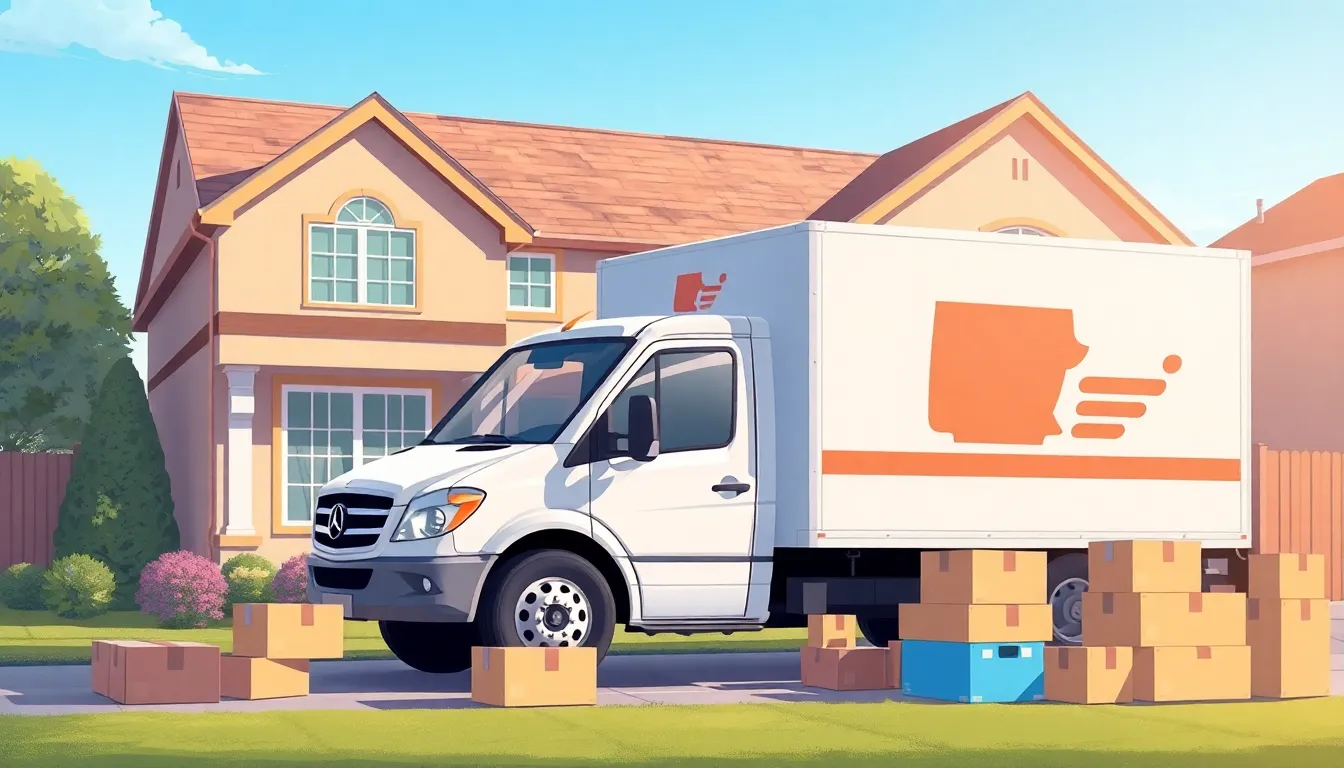
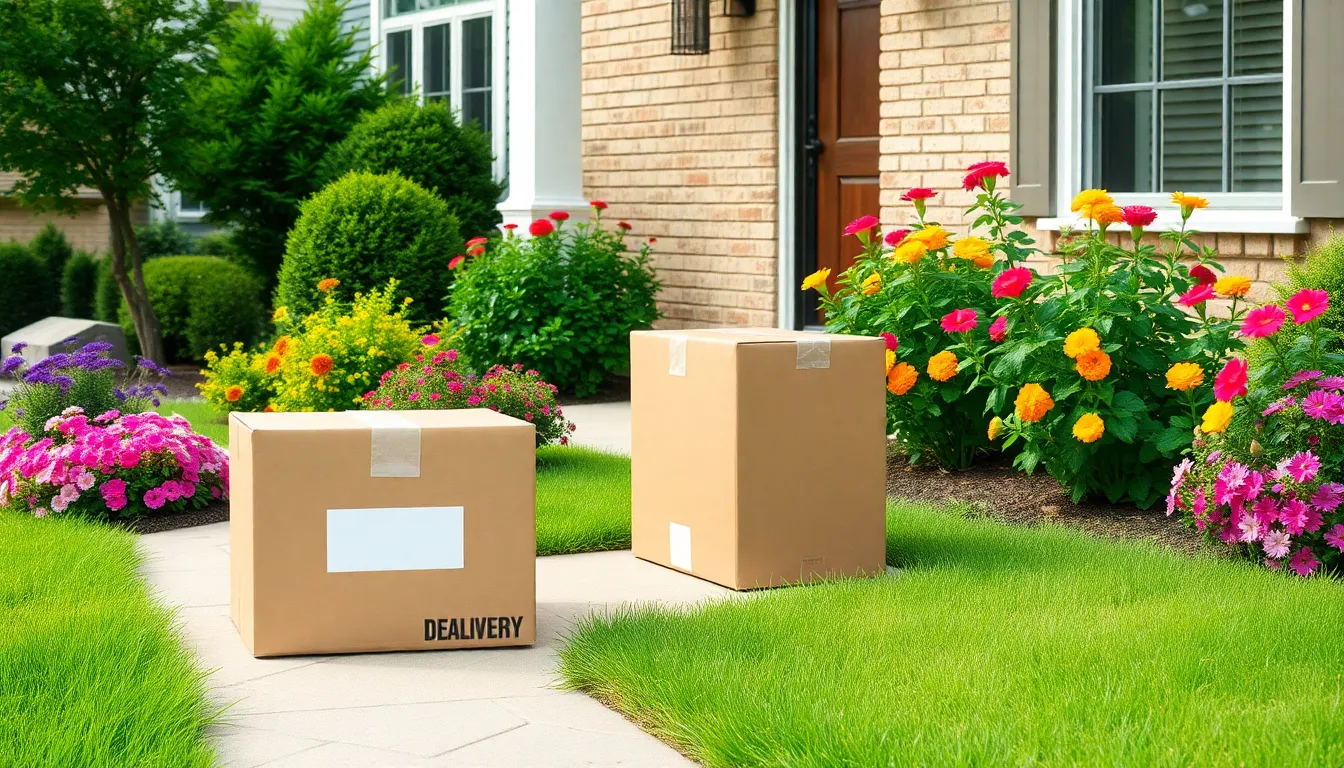
Standard delivery is a widely used shipping method favored by consumers looking for a budget-friendly option. This method typically ensures that orders reach customers within a timeframe of 3 to 7 business days.
Definition
Standard delivery refers to the most basic shipping option available for goods and products. Businesses use this method when cost efficiency is a priority. It allows for predictable delivery times and helps manage customer expectations. Often, companies offer standard delivery as their default shipping choice, as it aligns with more economical shipping strategies.
Key Features
Standard delivery features several notable characteristics that make it appealing. Cost-effectiveness tops the list, as it usually incurs lower shipping charges compared to faster options. Reliability is another important aspect, with consumers generally relying on consistent arrival times. Package tracking might also be available, allowing customers to monitor their deliveries. Furthermore, standard delivery works well for non-urgent items, making it suitable for most everyday purchases. Lastly, businesses offer this method widely, making it accessible for a large customer base.
Type 2: Expedited Delivery
Expedited delivery refers to a faster shipping option that prioritizes speed while still providing reliable service. Businesses often choose this method to meet customer demands for quicker order fulfillment.
Definition
Expedited delivery typically guarantees arrival within 1 to 3 business days. This method focuses on speeding up the shipping process through streamlined logistics and prioritization in handling. Customers expect their orders to arrive swiftly, making it an attractive option for those who require timely delivery.
Benefits
Expedited delivery offers several key advantages. First, it satisfies customers who need products quickly, enhancing satisfaction and loyalty. Second, businesses can increase sales by attracting time-sensitive consumers. Next, shorter delivery times can lead to improved inventory turnover. Additionally, this method often includes package tracking features, allowing customers to monitor their shipments in real time. By utilizing expedited delivery, businesses can effectively balance speed and customer satisfaction while optimizing their logistics strategies.
Type 3: Same-Day Delivery
Same-day delivery ensures that products arrive at customers’ doorsteps within hours of placing an order. This option appeals to individuals who require immediate access to items or need to meet urgent deadlines.
Definition
Same-day delivery refers to the shipping method that guarantees delivery of products on the same calendar day as the order is made. It typically involves fulfillment from local warehouses or stores to streamline the shipping process. Certain retailers and delivery services offer this option, enhancing shopping convenience and providing customers with a faster way to receive their purchases.
Advantages
Same-day delivery offers several significant advantages that cater to immediate consumer needs. Speed provides a key benefit, as customers can obtain essential items quickly, reducing waiting periods. Enhanced satisfaction often results from this immediacy, fostering customer loyalty and repeat business. Retailers gain a competitive edge by meeting customer expectations for fast service. Delivery tracking features generally accompany this method, allowing buyers to monitor the status of their orders in real time. Additionally, same-day delivery can increase sales, especially during peak shopping seasons or sales events, as consumers often prioritize fast service when making purchasing decisions.
Choosing the right delivery method is crucial for businesses aiming to meet customer needs effectively. Each type of delivery offers distinct advantages that can enhance customer satisfaction and streamline operations. Whether it’s the cost-effective standard delivery or the rapid same-day option, understanding these methods allows businesses to tailor their logistics strategies accordingly.
By aligning delivery choices with customer expectations, companies can not only improve their service but also gain a competitive edge in the market. This strategic approach to delivery can lead to increased customer loyalty and ultimately drive business growth.