

Ever wondered what those numbers like 111.90.150.288 even mean? You’re not alone. IP addresses might sound nerdy, but they’re actually crucial for the internet to function smoothly, like invisible mailmen delivering packets of information right to your doorstep. In this guide, we’ll demystify IP addresses, sprinkle in a bit of humor, and leave you smarter than a techie at a coding convention. Ready to become an IP pro? Let’s immerse.
What Is an IP Address?
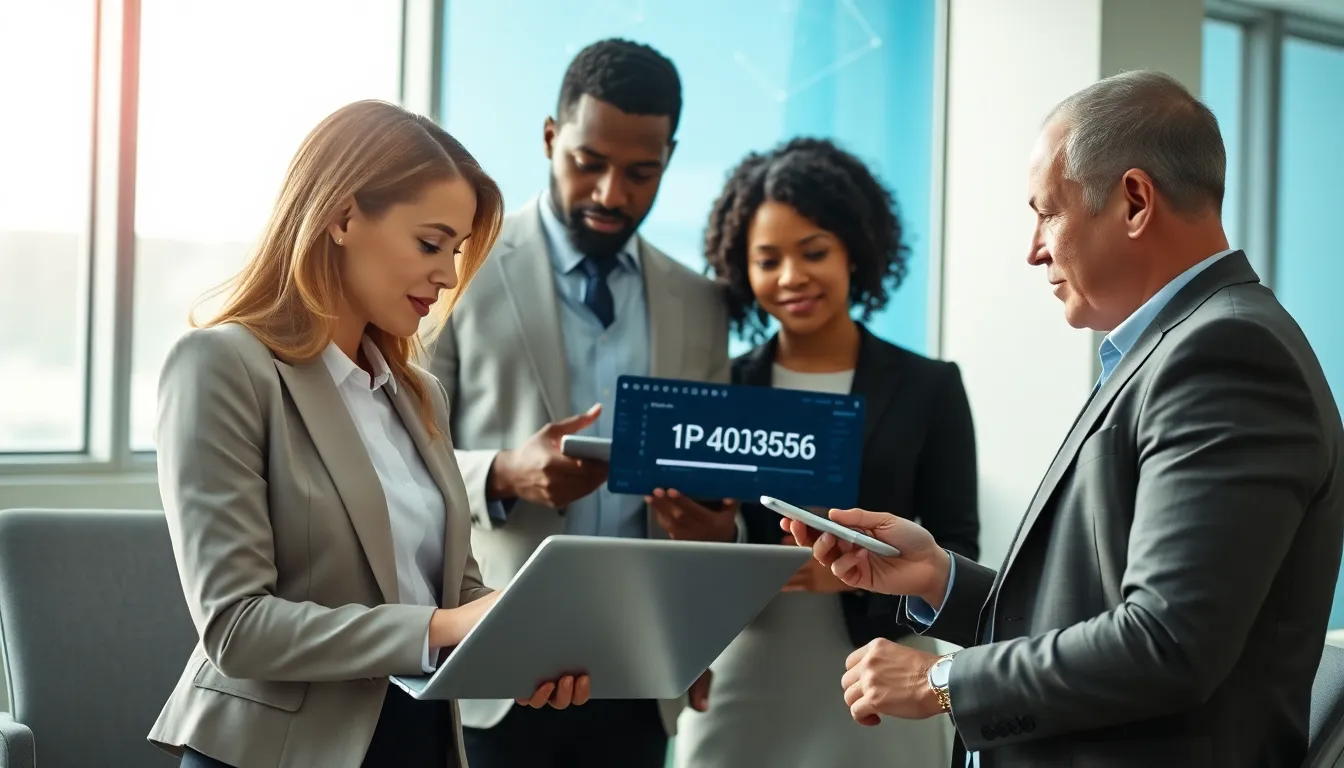
An IP address, or Internet Protocol address, is essentially a unique identifier for a device on a network. Think of it as the digital equivalent of your home address, allowing information to find its way to the right destination. Every time you connect to the web, your device is assigned an IP address that it uses to send and receive data. Without it, your online experience would be as chaotic as trying to find a specific book in a library without a catalog, confusing and time-consuming.
Types of IP Addresses
There are two main types of IP addresses: private and public. A public IP address is what the world sees, like your home’s address visible on a package. This address can be accessed by any device on the internet. Private IP addresses, on the other hand, are used within a local network, like the addresses assigned to your devices at home such as your laptop, smartphone, or smart fridge. The privacy of these addresses ensures that external sources can’t access them directly, providing an extra layer of security.
The Significance of IPv4 and IPv6
IP addresses come in two main flavors: IPv4 and IPv6. IPv4 is the older version, consisting of four sets of numbers, each ranging from 0 to 255, separated by periods (like 192.0.2.1). It can accommodate about 4.3 billion addresses, a number that may seem astronomical but was recently considered far too limited due to the explosion of internet-connected devices. Enter IPv6. This newer version uses a longer string of hexadecimal numbers and can support an unfathomable 340 undecillion addresses. Yes, undecillion, don’t worry, we had to look it up too. That’s why the transition to IPv6 is crucial as we keep adding more gadgets to our daily lives.
Why 111.90.150.288 Matters
Now, let’s zoom in on the specific IP address 111.90.150.288. This address might not be as popular as other public addresses, but it partakes in crucial behind-the-scenes internet activities. When analyzing IP addresses, security experts often look for patterns or unique identifiers to track malicious activity. They could also identify where traffic is coming from, making this IP a vital piece of the puzzle in understanding internet traffic flows and potential cyber threats.
Common Uses of IP Addresses
IP addresses are essential for two main functions: accessing the internet and establishing connections. Each time you check your email or stream your favorite show, your device communicates using its IP address to request and receive data. Also, they are used by businesses for online marketing strategies, helping them identify their audience’s location, behavior, and preferences, leading to more targeted ads. Also, every time you engage with a website, they collect data associated with your IP, which can be analyzed for improving their services or understanding user interactions.
Troubleshooting IP Address Issues
Encountering trouble with an IP address? Fear not. There are a few straightforward steps to remedy common issues. First, you might want to restart your router. This often resolves connection hiccups by refreshing your network. If that doesn’t yield results, consider checking your device’s network settings. Ensuring your device is set up to automatically configure an IP address can do wonders. If you’re feeling particularly adventurous, you can even try manually configuring your IP address, though this might require a bit of technical savvy.